
 русский
  عربي
عربي  Español
 Português
 日本語
日本語 한국어
한국어 Français
 Deutsch
 ไทย
ไทย Indonesia
 Việt Nam
 Türkçe
 O'zbek
 简体中文
简体中文 Italiano
 Čeština
 Eesti
Eesti Gaeilgenah Éireann
 Bai Miaowen
 íslenska
 Cymraeg
 Български
 اردو
اردو Polski
 hrvatski
 українська
 bosanski
 فارسی
فارسی Lietuvių
 Latviešu
 עברית
עברית România limbi
 Ελληνικά
 dansk
dansk magyar
 Norsk
Norsk suomi
suomi Nederlands
 Svenska
 slovenčina
 slovenščina
 हिंदी
हिंदी Melayu
 Malti
Malti Kreyòl Ayisyen
 Català
 বাংলা
বাংলা Srbija jezik (latinica)


Single Phase Two Speed Motor
single phase two speed motor
Dual-Speed Operation:
The ability to operate at two distinct speeds is one of the defining characteristics of this motor, allowing it to adapt to various operational requirements effectively. Typically categorized as high and low speeds, this functionality enables users to select the most suitable speed based on the task at hand. For example, in applications such as ventilation fans, users can choose a lower speed to maintain a steady airflow while minimizing energy consumption. Conversely, when a higher air output is needed-such as in a situation requiring rapid cooling-the motor can switch to a higher speed. This flexibility not only enhances operational efficiency but also leads to optimized performance across diverse applications, catering to both energy-saving and power-demanding scenarios.
Compact Design:
The compact and lightweight design of the single-phase two-speed motor makes it exceptionally versatile for a variety of settings, particularly in residential and light industrial applications. Its small footprint enables easy installation, even in tight or confined spaces, which is crucial for equipment that has limited room for integration. This design aspect also simplifies the replacement of older motors without requiring extensive modifications to existing systems. The ease of installation promotes quicker turnaround times for setup, allowing businesses and homeowners to resume operations swiftly without disruption.
Energy Efficiency:
Engineered with energy efficiency in mind, these motors significantly reduce power consumption during operation. By offering the option to run at lower speeds, users can optimize energy usage, particularly in applications with variable demand. This energy-saving feature is not only economically advantageous, as it leads to lower electricity bills, but it also contributes positively to environmental sustainability. Reduced power consumption helps decrease carbon emissions, aligning with modern initiatives aimed at promoting greener practices. The long-term savings achieved through energy efficiency can make a substantial impact on operational costs, appealing to both environmentally conscious consumers and businesses looking to optimize their expenditures.
Robust Construction:
The construction of single-phase two-speed motors emphasizes durability and reliability, featuring high-quality materials that can withstand a range of operating conditions. This robust design ensures that the motors perform consistently, even in challenging environments, such as those with high humidity or temperature fluctuations. Safety features, including thermal protection mechanisms and insulation class ratings, are integral to their design, further enhancing their longevity and reducing the likelihood of overheating or failure. Such construction quality not only extends the operational life of the motor but also minimizes maintenance needs, ultimately providing users with peace of mind and reducing the total cost of ownership.


Technical Specifications
| Parameter | Value |
| Motor Type | Induction Motor |
| Power Rating | 0.5 kW to 5 kW |
| Voltage | 120V / 230V |
| Frequency | 50 Hz / 60 Hz |
| Speed (High) | 1500 RPM / 3000 RPM |
| Speed (Low) | 750 RPM / 1500 RPM |
| Efficiency Class | IE1 / IE2 |
| Insulation Class | Class B / Class F |
| Protection Class | IP44 / IP55 |
| Duty Cycle | S1 (Continuous Duty) |
| Starting Method | Capacitor Start |
| Ambient Temperature Range | -20°C to +40°C |
| Bearing Type | Ball Bearings |
| Weight | Varies by model (e.g., 15 kg) |
| Dimensions | Customizable (e.g., 180 mm x 280 mm) |
Application areas of this product

HVAC Systems:
Single-phase two-speed motors are essential in heating, ventilation, and air conditioning (HVAC) systems, where they facilitate the efficient operation of fans and blowers. By enabling variable airflow, these motors allow for precise control over indoor climate conditions. For instance, during peak demand periods, the motor can run at a higher speed to quickly adjust temperatures or improve air circulation. Conversely, during off-peak times, switching to a lower speed helps maintain comfort while significantly reducing energy consumption. This adaptability not only enhances occupant comfort but also contributes to lower utility bills and a reduced environmental footprint. Moreover, the improved energy efficiency aligns with modern sustainability goals, making these motors a vital component in energy-conscious HVAC designs.
Agricultural Equipment:
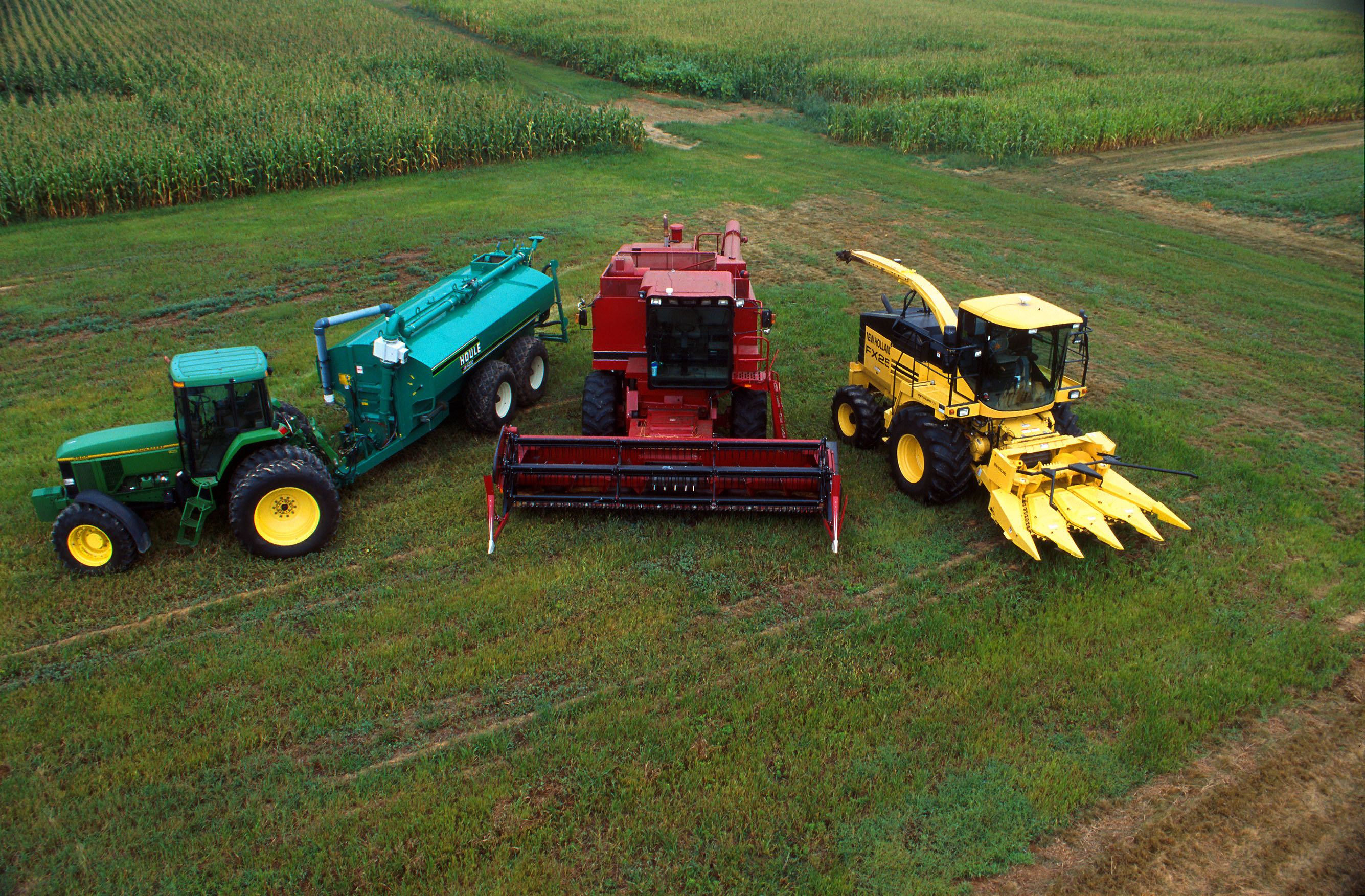
In the agricultural sector, single-phase two-speed motors are widely employed in various applications, such as feed mixers and irrigation pumps. Their dual-speed functionality allows farmers to optimize equipment performance based on specific operational needs. For example, in irrigation systems, these motors can operate at a higher speed to quickly distribute water across fields during critical growth periods. Alternatively, during routine maintenance or less demanding tasks, a lower speed can be used to conserve energy and resources. This flexibility helps in managing resources more effectively, ensuring that equipment runs efficiently under varying conditions. Additionally, the ability to switch speeds enhances productivity by enabling farmers to adapt to changing agricultural demands, ultimately leading to improved yields and resource management. Overall, the integration of these motors in agricultural equipment promotes operational efficiency, making them an invaluable asset in modern farming practices.
Installation Method:
| Structure and installation type (IM code)) |
IM B3 | IM B8 | IM B5 | IM B6 | IM V5 | IM V1 | IM B7 | IM V6 | IM V3 |
| Installation diagram |  |
 |
 |
 |
 |
 |
 |
 |
 |
| Frame size | 63-450 | 63-160 | 63-280 | 63-160 | 63-160 | 63-450 | 63-160 | 63-160 | 63-160 |
| Structure and installation type (IM code)) |
IM V37 | IM V17 | IM B34 | IM V19 | IM V18 | IM B14 | IM V35 | IM V15 | IM B35 |
| Installation diagram |  |
 |
 |
 |
 |
 |
 |
 |
 |
| Frame size | 63-132 | 63-13 | 63-132 | 63-132 | 63-132 | 63-132 | 63-160 | 63-160 | 63-450 |
FAQ
1.What advantages does a motor with dual-speed capabilities offer compared to standard motors?
A motor featuring dual-speed capabilities provides significant operational flexibility. Users can easily switch between high and low speeds based on their specific application requirements. This adaptability allows for energy savings during low-demand periods while still delivering increased power when needed. By optimizing performance for various tasks, this flexibility can enhance overall efficiency and reduce energy costs.
2.How do I determine the correct specifications for my application?
Selecting the appropriate motor specifications involves analyzing your specific application needs, such as load requirements, torque, and speed settings. Consider factors like the type of machinery, the materials being handled, and the operational environment. Consulting with a technical expert can provide valuable insights to ensure you choose a model that meets your operational demands effectively.
3.What maintenance is required for this type of motor?
Regular maintenance is essential to ensure the longevity and efficiency of the motor. Key maintenance tasks include checking and lubricating bearings, inspecting electrical connections, and keeping the motor clean from dust and debris. Monitoring performance indicators can help identify potential issues early, allowing for proactive maintenance that minimizes downtime.
4.Can this motor operate effectively in harsh environments?
Many motors designed for dual-speed operation are built to withstand challenging conditions. When selecting a model, look for one with appropriate protection ratings that specify resistance to dust, moisture, and extreme temperatures. This capability makes them suitable for various environments, ensuring reliable performance even in less-than-ideal conditions.
5.What types of control systems are compatible with these motors?
A variety of control systems can be utilized with motors that offer dual-speed features. Common options include variable frequency drives (VFDs) and basic switch controls, allowing for easy speed adjustments. These systems enhance the motor's functionality by enabling precise control over operational parameters, ensuring optimal performance tailored to specific applications.
6.How does the dual-speed feature contribute to energy efficiency?
The ability to operate at two speeds significantly enhances energy efficiency. During periods of low demand, running at a lower speed minimizes power consumption, leading to lower operational costs. This energy-saving capability also supports sustainability efforts by reducing the overall carbon footprint, making it an attractive option for environmentally conscious users.
7.In what applications are these motors most commonly used?
These motors are versatile and widely used in various applications, including HVAC systems, pumps, fans, and conveyor systems. Their ability to switch speeds makes them suitable for both residential and light industrial settings, where varying operational demands require efficient performance. Whether it's controlling airflow in climate systems or optimizing material handling in warehouses, these motors provide reliable and adaptable solutions.
Hot Tags: single phase two speed motor, China single phase two speed motor manufacturers, suppliers, factory, two speed motor, dual speed electric motor
You Might Also Like


Send Inquiry