
 русский
  عربي
عربي  Español
 Português
 日本語
日本語 한국어
한국어 Français
 Deutsch
 ไทย
ไทย Indonesia
 Việt Nam
 Türkçe
 O'zbek
 简体中文
简体中文 Italiano
 Čeština
 Eesti
Eesti Gaeilgenah Éireann
 Bai Miaowen
 íslenska
 Cymraeg
 Български
 اردو
اردو Polski
 hrvatski
 українська
 bosanski
 فارسی
فارسی Lietuvių
 Latviešu
 עברית
עברית România limbi
 Ελληνικά
 dansk
dansk magyar
 Norsk
Norsk suomi
suomi Nederlands
 Svenska
 slovenčina
 slovenščina
 हिंदी
हिंदी Melayu
 Malti
Malti Kreyòl Ayisyen
 Català
 বাংলা
বাংলা Srbija jezik (latinica)


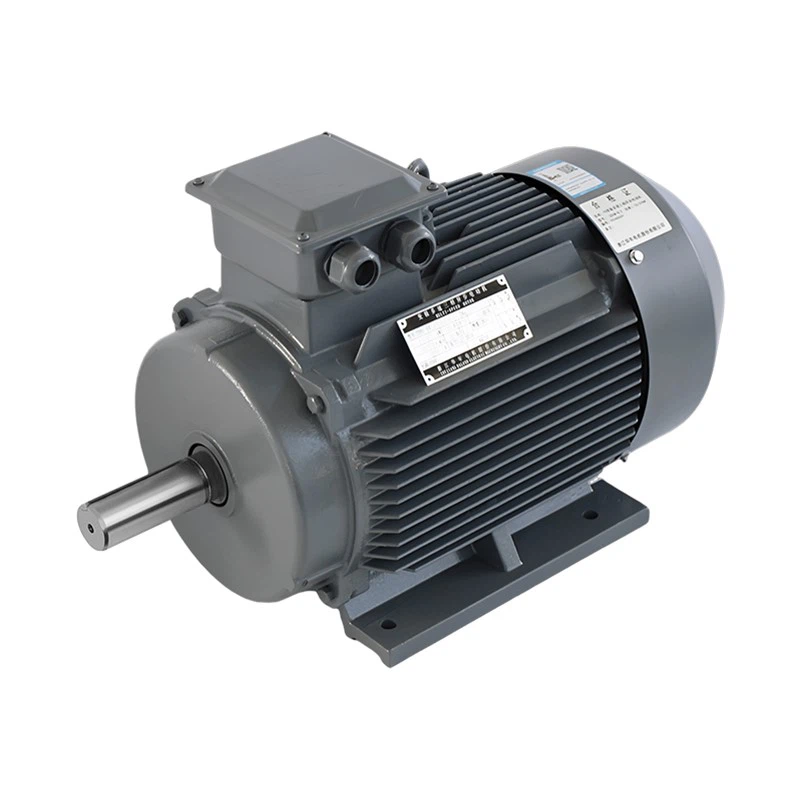
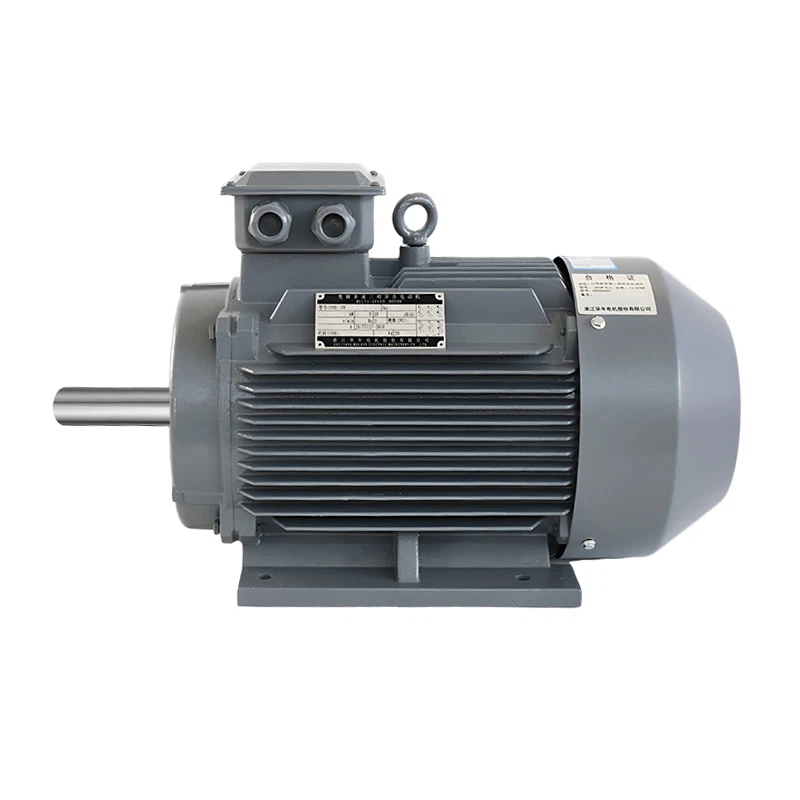
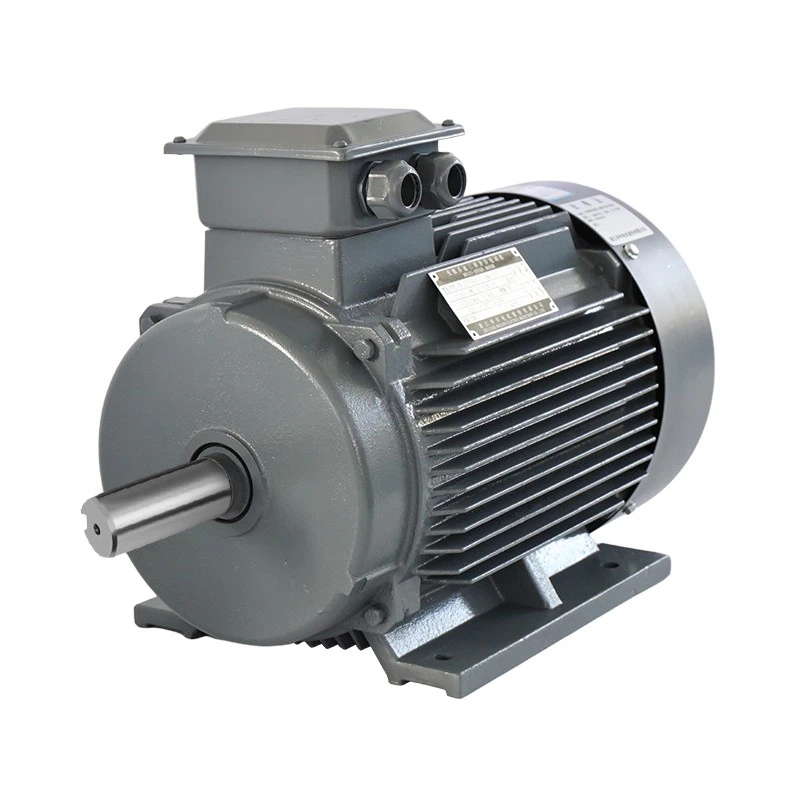
Two Speed Three Phase Motor
two speed three phase motor
Simple Control Mechanism:
The design of two speed three phase motors incorporates straightforward control mechanisms that facilitate easy operation. Many models come equipped with standard electrical controls, enabling operators to switch between speed settings with minimal effort. This simplicity is crucial in industrial settings, where efficiency is paramount. The ease of making adjustments without complex setups reduces downtime and allows for quick responses to changing operational needs. As a result, operators can maintain optimal performance levels across various applications, enhancing overall productivity and streamlining processes within existing systems.
Reduced Noise Levels:
One notable advantage of two-speed three-phase motors is their ability to operate quietly compared to other motor types. This reduced noise output is especially beneficial in environments where noise pollution is a concern, such as hospitals, offices, and residential areas. The efficient design of these motors minimizes vibrations and noise, creating a more pleasant working atmosphere for employees and minimizing distractions. By maintaining lower sound levels, these motors contribute to a more conducive work environment, which can lead to improved employee morale and productivity.
Dual-Speed Operation:
The dual-speed capability of these motors is a key feature that enhances operational flexibility. Users can easily select between two distinct speeds to match specific task requirements. For example, in applications involving conveyors, operators can choose a lower speed for energy-efficient movement during routine tasks and switch to a higher speed for quick material handling when needed. This adaptability is particularly valuable in dynamic industrial settings where demand fluctuates frequently. By optimizing motor performance based on operational needs, companies can achieve significant gains in efficiency and productivity, resulting in improved output and reduced operational costs.
Three-Phase Power Supply:
Designed to operate on a three-phase power supply, these motors benefit from a consistent and stable electrical flow. This configuration enhances performance by delivering higher torque, which is essential for demanding applications. The smoother operation achieved through three-phase power reduces vibrations and mechanical stress, leading to greater reliability and a longer lifespan for the motor. This robustness makes them particularly suitable for heavy-duty industrial applications, where performance consistency is critical to operational success.
Robust Construction:
Two-speed three-phase motors are constructed from high-quality materials, ensuring durability in harsh operating conditions. Their robust design includes weather-resistant casings and superior insulation, which protects against moisture, dust, and extreme temperatures. This level of protection not only prolongs the motor's lifespan but also reduces the need for frequent maintenance, making them a cost-effective solution for industries that operate in challenging environments. Their reliability ensures uninterrupted operations, further enhancing productivity.
Technical Specifications
| Parameter | Value |
| Motor Type | Induction Motor |
| Phase | Three-Phase |
| Power Rating | 1.5 kW, 2.2 kW, 3.0 kW (varies) |
| Speed Ratings | Low Speed: 750 RPM |
| High Speed: 1500 RPM | |
| Voltage | 380V, 400V, or 460V (depending on model) |
| Frequency | 50 Hz / 60 Hz |
| Current Rating | Varies by power rating |
| Efficiency Class | IE2 / IE3 (high efficiency options available) |
| Insulation Class | Class F or Class H |
| Protection Rating | IP54 or IP55 (dust and water resistance) |
| Cooling Method | Self-ventilated |
| Mounting Type | Foot-mounted / Flange-mounted |
| Bearing Type | Rolling bearings |
| Dimensions (L x W x H) | Varies by model |
| Weight | Varies by power rating |
| Ambient Temperature Range | -15°C to +40°C |
| Certifications | CE, UL, ISO 9001 |
Application areas of this product
Material Handling Equipment:
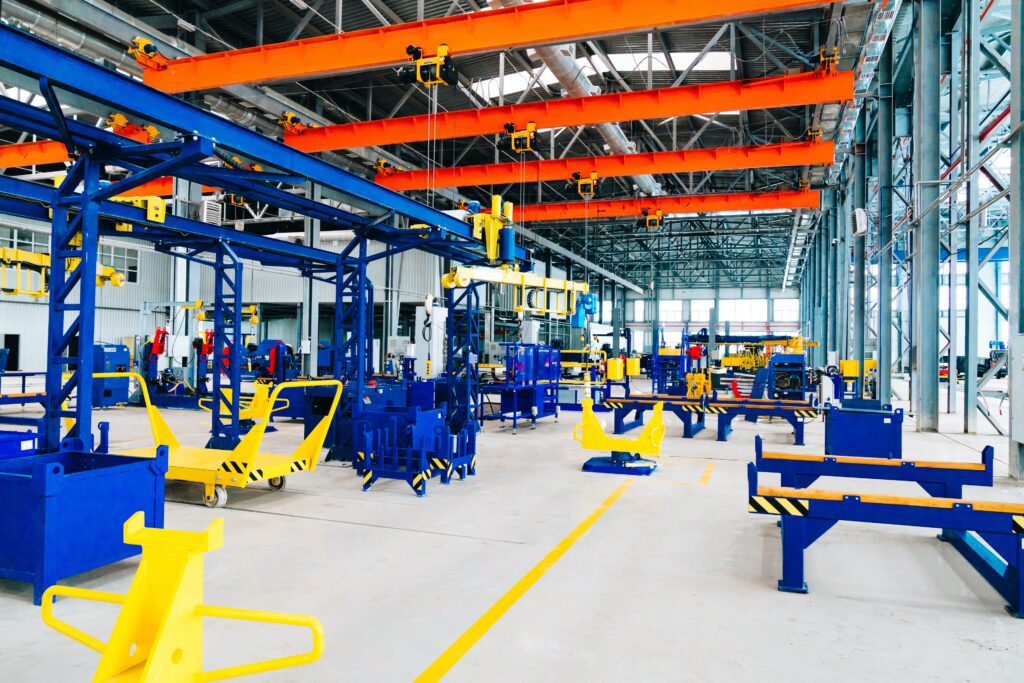
Two-speed three-phase motors play a crucial role in material handling equipment, significantly improving operational efficiency in environments such as warehouses and manufacturing plants. Their dual-speed functionality allows operators to choose the most appropriate speed for specific tasks, ensuring optimal handling of materials. For instance, when dealing with fragile items or lighter loads, the motor can be set to a slower speed, which reduces the risk of damage and ensures careful movement. Conversely, when transporting heavier items or bulk materials, the motor can be switched to a higher speed, facilitating faster operation and increased productivity.
This adaptability is particularly valuable in applications involving conveyors and hoists, where varying load conditions are common. The ability to adjust speed not only enhances the safety of operations but also contributes to smoother transitions between different handling tasks. As a result, businesses can streamline their workflows, minimize bottlenecks, and enhance overall throughput, leading to greater efficiency and cost savings.
Industrial Machinery:
In the realm of industrial machinery, two-speed three-phase motors are essential components in various applications, including compressors, mixers, and extruders. Their capacity for speed variation allows manufacturers to optimize their processes based on specific operational requirements. For example, in mixing applications, operators can select a slower speed for gentle mixing, ensuring that delicate ingredients are combined without being damaged. This is particularly important in food processing or chemical manufacturing, where maintaining product integrity is critical.
On the other hand, when thorough blending is required, the motor can switch to a higher speed, allowing for more vigorous mixing that ensures uniformity and quality. This flexibility in speed settings not only enhances process control but also leads to improved product consistency, reducing waste and enhancing customer satisfaction. In summary, the integration of two-speed three-phase motors in industrial machinery significantly enhances operational effectiveness and product quality across various manufacturing sectors.
Installation Method:
| Structure and installation type (IM code)) |
IM B3 | IM B8 | IM B5 | IM B6 | IM V5 | IM V1 | IM B7 | IM V6 | IM V3 |
| Installation diagram |  |
 |
 |
 |
 |
 |
 |
 |
 |
| Frame size | 63-450 | 63-160 | 63-280 | 63-160 | 63-160 | 63-450 | 63-160 | 63-160 | 63-160 |
| Structure and installation type (IM code)) |
IM V37 | IM V17 | IM B34 | IM V19 | IM V18 | IM B14 | IM V35 | IM V15 | IM B35 |
| Installation diagram |  |
 |
 |
 |
 |
 |
 |
 |
 |
| Frame size | 63-132 | 63-13 | 63-132 | 63-132 | 63-132 | 63-132 | 63-160 | 63-160 | 63-450 |
FAQ
1.What are the advantages of using a motor that can operate at two different speeds?
A motor with dual-speed capabilities offers enhanced flexibility, allowing operators to select the most suitable speed for various applications. This adaptability improves energy efficiency, as slower speeds can be used during less demanding operations, resulting in lower energy consumption and cost savings. Additionally, this feature can prolong the lifespan of the motor by reducing wear during lighter loads.
2.How does the three-phase design affect the motor's performance?
The three-phase design provides a more stable and consistent power supply compared to single-phase motors. This results in higher torque and smoother operation, which are crucial for heavy-duty applications. The reduced vibration associated with three-phase motors also enhances reliability and decreases maintenance needs, making them ideal for industrial environments.
3.What types of applications are best suited for this motor?
This type of motor is versatile and can be effectively utilized in a wide range of applications. Common uses include HVAC systems for fan and blower operations, material handling equipment such as conveyors and hoists, industrial machinery like mixers and compressors, and even in agricultural equipment. Its ability to adapt to various operational needs makes it a valuable asset across multiple industries.
4.Are there energy efficiency benefits with this motor?
Yes, utilizing a motor with dual-speed functionality can significantly improve energy efficiency. By allowing for operation at lower speeds during periods of reduced demand, users can minimize energy consumption and reduce electricity costs. This efficiency not only lowers operating expenses but also aligns with sustainability goals by decreasing carbon emissions.
5.What safety features should I consider when selecting this type of motor?
It's essential to look for features such as thermal overload protection, which prevents overheating and potential damage. Additionally, consider insulation class ratings that indicate the motor's ability to withstand high temperatures and environmental factors. A robust casing that provides protection against dust and moisture is also crucial, especially in industrial settings.
6.How does the installation process compare to other motor types?
The installation of a dual-speed three-phase motor is generally straightforward, especially if it is compatible with standard electrical controls. However, it may require some electrical expertise to ensure proper wiring for the three-phase supply. Overall, its compact design often allows for easy integration into existing systems without significant modifications.
7.What kind of maintenance is required for this motor?
Regular maintenance is essential to ensure optimal performance and longevity. This includes checking for signs of wear on bearings, ensuring proper lubrication, and inspecting electrical connections. Additionally, monitoring the operating environment for dust and moisture can prevent potential issues. Following the manufacturer's guidelines for maintenance schedules can help keep the motor running efficiently and reduce the likelihood of unexpected failures.
Hot Tags: two speed three phase motor, China two speed three phase motor manufacturers, suppliers, factory, dual speed electric motor, two speed motor
You Might Also Like


Send Inquiry