
 русский
  عربي
عربي  Español
 Português
 日本語
日本語 한국어
한국어 Français
 Deutsch
 ไทย
ไทย Indonesia
 Việt Nam
 Türkçe
 O'zbek
 简体中文
简体中文 Italiano
 Čeština
 Eesti
Eesti Gaeilgenah Éireann
 Bai Miaowen
 íslenska
 Cymraeg
 Български
 اردو
اردو Polski
 hrvatski
 українська
 bosanski
 فارسی
فارسی Lietuvių
 Latviešu
 עברית
עברית România limbi
 Ελληνικά
 dansk
dansk magyar
 Norsk
Norsk suomi
suomi Nederlands
 Svenska
 slovenčina
 slovenščina
 हिंदी
हिंदी Melayu
 Malti
Malti Kreyòl Ayisyen
 Català
 বাংলা
বাংলা Srbija jezik (latinica)


Dual Speed Ac Motor
dual speed ac motor
Two-speed operating mode:
Two-speed AC motors have two operating speeds, usually twice the rated speed and standard speed. This flexibility allows it to adapt to a variety of process requirements, such as providing more power when high speeds are required, while reducing load and energy consumption at low speeds. Users can flexibly switch speeds according to the actual operating environment and needs, optimize production efficiency, and improve overall equipment performance.
Energy saving and efficient:
The motor's design focuses on energy conservation and efficient performance. In low-speed mode, the electric motor's power consumption is significantly reduced, making it suitable for long-term operation. This feature not only effectively reduces the company's electricity bills, but also has a positive impact on environmental protection and helps achieve sustainable development goals. At the same time, by selecting the most appropriate operating speed, companies can increase production capacity while reducing costs.
High-quality materials and structural design:
The two-speed AC motor uses high-performance insulation materials and precision machined components to ensure its stability under high loads and high temperature environments. Its structural design fully considers the heat dissipation performance, which can effectively prevent overheating and improve the service life and reliability of the motor. In addition, the carefully designed internal structure reduces friction loss and further improves work efficiency.
Wide range of applications:
Two-speed AC motors are widely used in fans, pumps, conveyor belts and other industrial equipment because of their flexibility and efficiency. These applications cover a variety of industries, including manufacturing, chemicals, construction, etc., demonstrating their important role in various industrial environments. Different industrial needs can achieve ideal driving effects through this motor.
Easy installation and maintenance:
The two-speed AC motor is designed with ease of installation in mind and is equipped with standardized interfaces to simplify the connection process with other equipment. This feature allows users to quickly install and debug, reducing startup time. At the same time, the convenience of regular maintenance also ensures long-term stable operation of the equipment. Users can easily complete inspection and maintenance, reducing maintenance costs.


Technical Specifications
| Parameter | Value |
| Motor Type | Induction Motor |
| Power Rating | 0.5 kW to 75 kW |
| Voltage | 230V / 400V (3-phase) |
| Frequency | 50 Hz / 60 Hz |
| Speed (High) | 1500 RPM / 3000 RPM |
| Speed (Low) | 750 RPM / 1500 RPM |
| Efficiency Class | IE2 / IE3 |
| Insulation Class | Class F |
| Protection Class | IP55 |
| Duty Cycle | S1 (Continuous Duty) |
| Starting Method | Direct-on-line / Star-Delta |
| Ambient Temperature Range | -20°C to +40°C |
| Bearing Type | Deep Groove Ball Bearings |
| Weight | Varies by model (e.g., 20 kg) |
| Dimensions | Customizable (e.g., 200 mm x 300 mm) |
Application areas of this product
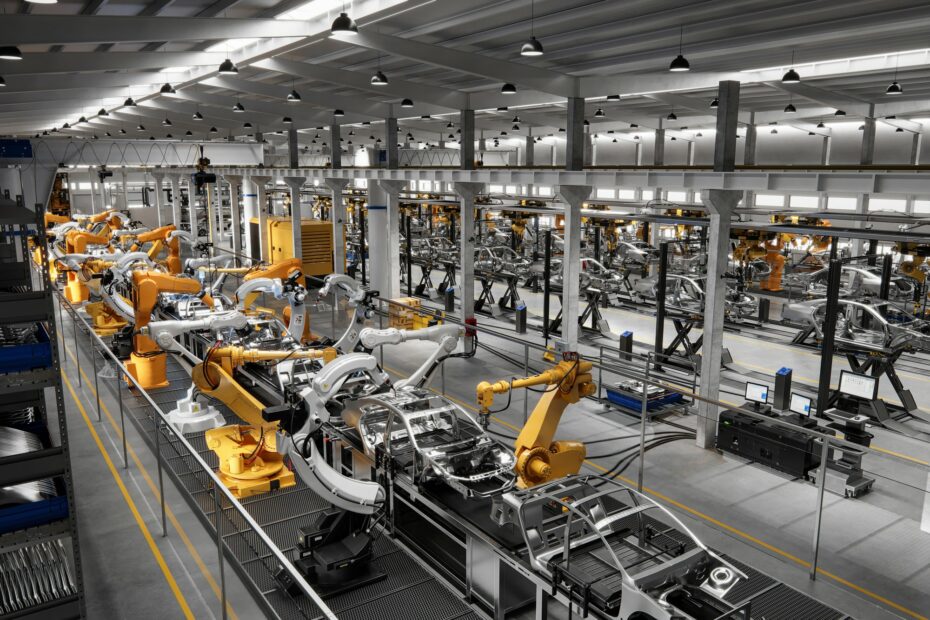
Industrial Machinery:
In the realm of industrial machinery, dual speed AC motors are indispensable across a variety of applications, including milling, drilling, and cutting equipment. Their dual-speed functionality enables precise control over operations, which is essential for achieving high-quality results in machining processes. For example, during milling operations, a lower speed setting might be employed for roughing out materials, allowing for greater torque and stability. In contrast, a higher speed can be utilized for finishing cuts, delivering smoother surfaces and enhancing product quality. This flexibility not only boosts productivity by allowing quick adjustments to the operating conditions but also extends the life of the machinery by reducing stress on components. Furthermore, with the integration of modern control systems, operators can easily manage these speed settings, ensuring optimal performance tailored to specific job requirements. This adaptability makes dual speed motors a vital component in enhancing the efficiency and effectiveness of industrial operations.
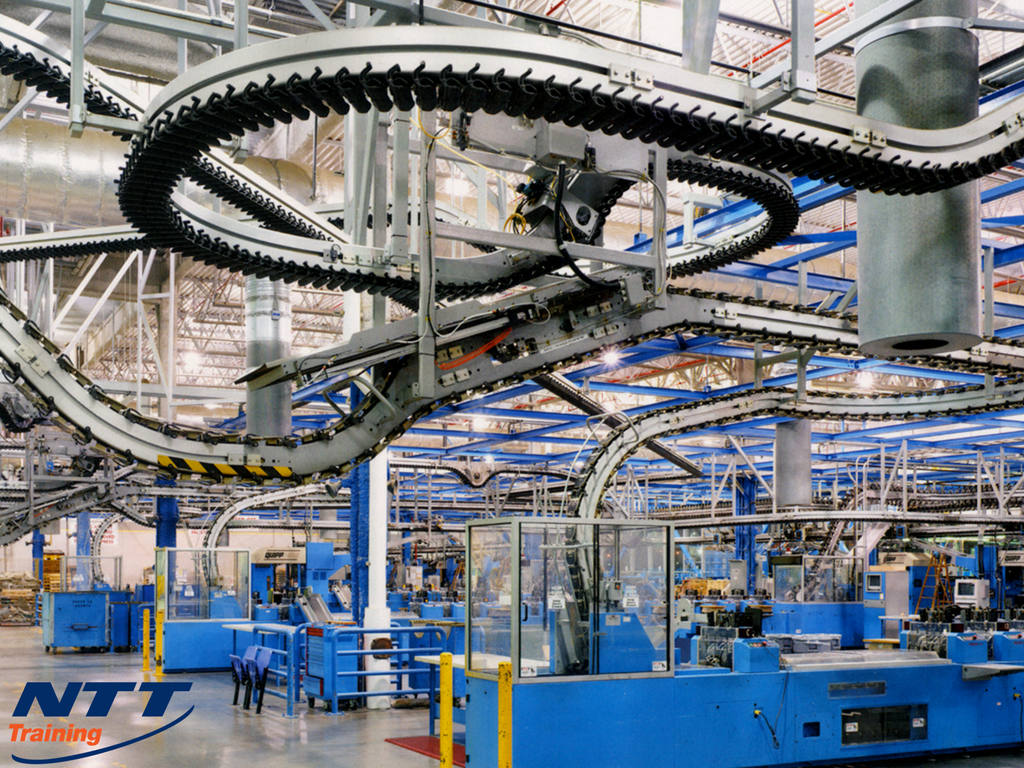
Conveyor Systems:
Dual speed AC motors play a crucial role in conveyor systems by providing the flexibility to adjust speeds according to specific operational requirements. In manufacturing and distribution centers, these motors facilitate efficient material handling, allowing for seamless transitions between loading and unloading phases. For instance, when transporting heavy loads, the motor can operate at a slower speed to ensure stability and safety. Conversely, when moving lighter items, it can switch to a higher speed, optimizing throughput. This adaptability not only enhances workflow efficiency but also minimizes wear and tear on the conveyor components, leading to reduced maintenance costs. Additionally, the ability to fine-tune speeds helps in reducing energy consumption, as the system can run at optimal settings for varying loads, further contributing to operational sustainability.
Installation Method:
| Structure and installation type (IM code)) |
IM B3 | IM B8 | IM B5 | IM B6 | IM V5 | IM V1 | IM B7 | IM V6 | IM V3 |
| Installation diagram |  |
 |
 |
 |
 |
 |
 |
 |
 |
| Frame size | 63-450 | 63-160 | 63-280 | 63-160 | 63-160 | 63-450 | 63-160 | 63-160 | 63-160 |
| Structure and installation type (IM code)) |
IM V37 | IM V17 | IM B34 | IM V19 | IM V18 | IM B14 | IM V35 | IM V15 | IM B35 |
| Installation diagram |  |
 |
 |
 |
 |
 |
 |
 |
 |
| Frame size | 63-132 | 63-13 | 63-132 | 63-132 | 63-132 | 63-132 | 63-160 | 63-160 | 63-450 |
FAQ
1.What advantages does a motor with variable speed capabilities offer for industrial applications?
A motor that operates at multiple speeds enhances flexibility in various industrial processes. It allows for optimal performance under different load conditions, which can lead to significant energy savings and improved efficiency. This adaptability is especially beneficial in applications where the demand for speed can vary, such as in pumping and material handling.
2.How does the dual-speed feature affect energy consumption?
The ability to switch between speeds means that the motor can operate more efficiently depending on the task at hand. In low-demand situations, running at a lower speed reduces energy consumption, leading to lower operating costs. This efficiency not only saves money but also contributes to sustainability goals by reducing the overall carbon footprint.
3.What maintenance requirements should I expect for this type of motor?
Maintenance for a motor with variable speed functionality typically includes regular inspections of bearings, lubricants, and electrical connections. Keeping the motor clean and free from debris is essential. Moreover, monitoring performance metrics can help in identifying potential issues before they lead to failures, ensuring longevity and reliability.
4.Can this motor be used in harsh environments?
Yes, many motors designed for variable speed operation are built to withstand harsh conditions. They often feature robust enclosures with high protection ratings, ensuring they are resistant to dust, moisture, and temperature fluctuations. It's important to select a model with appropriate ratings based on your specific environment.
5.What types of control systems are compatible with these motors?
A range of control systems can be integrated with motors that offer variable speed features, including variable frequency drives (VFDs) and servo controllers. These systems allow for precise speed control and can be customized to meet the specific requirements of different applications, ensuring optimal performance and responsiveness.
6.How do I determine the right size and power rating for my application?
Selecting the appropriate size and power rating involves evaluating the specific requirements of your application, including load type, operational speed, and torque needs. Consulting with a technical expert or supplier can provide valuable insights and recommendations based on your operational demands and usage patterns.
7.What are the typical applications for a motor with dual speed capabilities?
These motors are versatile and find applications across various industries, including HVAC systems, conveyor systems, pumping stations, and industrial machinery. Their ability to adapt to different speeds makes them ideal for scenarios where process efficiency and energy savings are priorities, enhancing overall productivity in diverse operations.
Hot Tags: dual speed ac motor, China dual speed ac motor manufacturers, suppliers, factory, dual speed electric motor, two speed motor
You Might Also Like


Send Inquiry