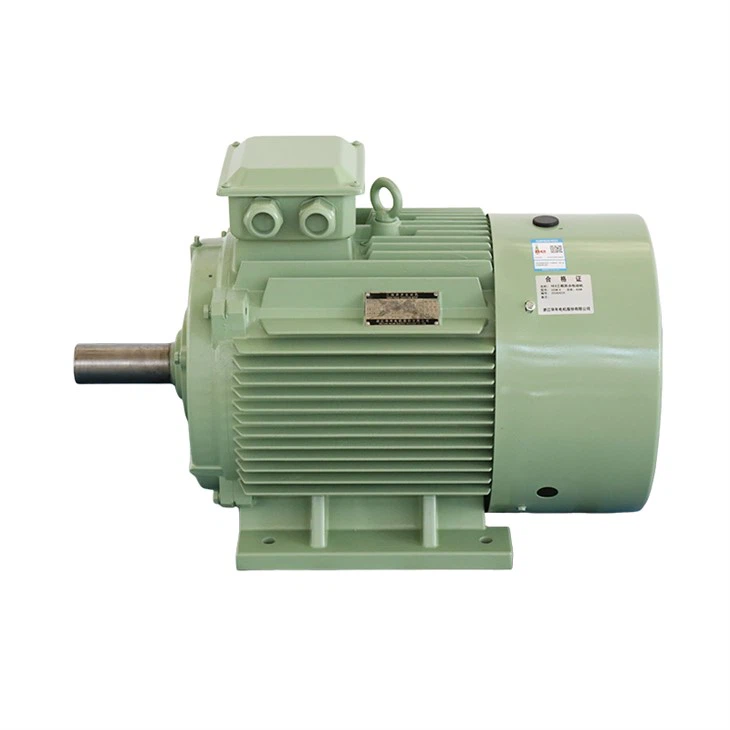
Question 1: What are the key factors to consider when determining the appropriate gear ratio for my application?
Answer: When choosing the right gear ratio for your application, several factors need to be taken into account. Firstly, the relationship between speed and torque requirements is crucial. If your application demands high torque at low speed, such as in a heavy - duty conveyor system for moving large and bulky items, a higher gear ratio would be more suitable. This is because a higher gear ratio reduces the output speed while increasing the torque. On the other hand, if you need a relatively high - speed output with lower torque, like in some light - duty automated assembly line equipment, a lower gear ratio would be preferred. Secondly, the power source available and its characteristics play a role. If the power source has limited power output, you need to balance the gear ratio to ensure that the motor can still drive the load effectively. Additionally, the inertia of the load is important. A large - inertia load may require a different gear ratio to ensure smooth start - up and operation without overloading the motor. The efficiency of the gear system at different ratios also needs to be considered, as a more efficient ratio can lead to better overall performance and energy savings in the long run.
Question 2: How do I ensure the durability and reliability of the gears in this type of motor?
Answer: To ensure the durability and reliability of the gears, multiple aspects should be considered. The quality of the gear materials is fundamental. High - quality materials such as alloy steels are often used for their strength and wear resistance properties. These materials can withstand the forces exerted during gear meshing and operation over an extended period. The heat treatment process of the gears is also crucial. Proper heat treatment can enhance the hardness and toughness of the gears, making them more resistant to wear, fatigue, and deformation. In terms of the gear design, the tooth profile and the precision of manufacturing are important. A well - designed tooth profile, such as helical gears with their smooth meshing action, can reduce stress concentrations and wear. Precision manufacturing ensures accurate gear dimensions and proper meshing, minimizing the risk of premature failure. Lubrication is another key factor. Using the appropriate lubricant and ensuring proper lubrication intervals can significantly reduce friction and wear between the gears. Additionally, the operating environment should be taken into account. If the motor is operating in a dusty, humid, or corrosive environment, measures such as sealing the gearbox and using corrosion - resistant coatings on the gears may be necessary to protect against damage.
Question 3: What are the typical efficiency levels of these motors, and how can I improve them?
Answer: The typical efficiency levels of these motors can vary depending on various factors such as the gear design, the quality of components, and the operating conditions. Generally, efficiency can range from around 70% to 95% in well - designed systems. To improve the efficiency, one important aspect is to reduce gear losses. This can be achieved by using high - quality gears with precise manufacturing tolerances. Gears with smoother surfaces and accurate tooth profiles will have less friction during meshing, reducing energy losses. The type of lubricant also has an impact. Using a high - viscosity - index lubricant that can maintain its lubricating properties over a wide temperature range can improve efficiency. Another factor is the proper selection of the gear ratio. An optimal gear ratio ensures that the motor operates in its most efficient range. Over - or under - gearing can lead to inefficiencies. Additionally, minimizing the losses in the motor itself, such as reducing electrical losses through better winding design and using high - quality magnetic materials, can contribute to overall efficiency improvement.
Question 4: How can I select the right size of this motor for my specific load requirements?
Answer: Selecting the right size of the motor for your load requirements involves a comprehensive assessment. First, you need to determine the torque required to move your load. This includes not only the static torque to overcome initial resistance but also the dynamic torque to accelerate the load to the desired speed. You can calculate the torque by considering factors such as the weight of the load, the radius of the load - driving mechanism (if applicable), and any frictional forces present. Once you have determined the torque requirements, you also need to consider the speed at which the load needs to be driven. The power requirement can then be calculated as the product of torque and speed (with appropriate unit conversions). After calculating the power requirement, you should select a motor with a rated power that is sufficient to handle this load. However, it is also important to consider factors such as the motor's overload capacity. In some applications, there may be short - term peak loads, and a motor with a certain overload capacity can handle these without stalling or overheating. Additionally, the efficiency of the motor at the expected operating conditions should be considered to ensure long - term cost - effectiveness.
Question 5: What are the noise and vibration characteristics of this type of motor, and how can they be minimized?
Answer: The noise and vibration characteristics of these motors are influenced by multiple factors. Noise can be generated from the meshing of gears, the rotation of the motor shaft, and the operation of bearings. Vibration can also occur due to imbalances in the rotating parts or improper meshing of gears. To minimize noise, the gear design plays a significant role. As mentioned before, helical gears are generally quieter than spur gears because of their smoother meshing action. Using high - quality bearings and ensuring proper alignment of all rotating parts can reduce vibration - related noise. In terms of vibration, proper dynamic balancing of the motor shaft and the gears is essential. This can be achieved during the manufacturing process through precision machining and balancing techniques. The use of vibration - damping materials in the motor housing or the gearbox can also help absorb vibrations and reduce noise transmission. Additionally, proper lubrication of the gears and bearings can reduce friction - related noise and vibration. For example, using a lubricant with good anti - wear and anti - vibration properties can improve the overall smoothness of operation.
Question 6: What kind of maintenance does does this type of motor typically require?
Answer: This type of motor typically requires several types of maintenance. Regular inspection of the gears is essential. This includes checking for signs of wear, such as tooth wear or pitting. If any signs of wear are detected early, appropriate measures can be taken, such as replacing the gears or adjusting the gear meshing. The lubricant level and quality should be checked regularly. Over time, the lubricant may degrade or become contaminated, which can affect the performance of the gears. If necessary, the lubricant should be replaced according to the manufacturer's recommendations. The bearings also need to be inspected for wear and proper lubrication. Signs of bearing wear, such as excessive noise or vibration, should be investigated promptly. Additionally, the electrical components of the motor, such as the windings and connections, should be checked for any signs of damage or overheating. This can be done through visual inspection and using appropriate electrical testing equipment. In some cases, depending on the operating environment, the motor housing and gearbox may need to be cleaned to remove dust, dirt, or other contaminants that could affect the performance or cause overheating.
Question 7: Can this motor be customized for unique applications? If so, what are the options?
Answer: Yes, this motor can often be customized for unique applications. One option for customization is the gear ratio. As mentioned earlier, the gear ratio can be adjusted to meet specific speed and torque requirements. This can be achieved by using different gear sets or by custom - designing the gears. Another option is the motor housing design. For applications where space is limited or where a specific shape or size is required, the motor housing can be customized. This may involve changing the shape, adding mounting points, or incorporating special features for better integration into the overall system. The type of bearings used can also be customized. For example, if the application requires high - speed rotation or has specific load - bearing requirements, different types of bearings with higher speed ratings or load - carrying capacities can be selected. Additionally, the motor can be customized in terms of its electrical characteristics. This may include modifying the winding design to match a particular voltage or frequency requirement, or adding features such as variable - speed control electronics for more precise control in unique applications.

 русский
  عربي
عربي  Español
 Português
 日本語
日本語 한국어
한국어 Français
 Deutsch
 ไทย
ไทย Indonesia
 Việt Nam
 Türkçe
 O'zbek
 简体中文
简体中文 Italiano
 Čeština
 Eesti
Eesti Gaeilgenah Éireann
 Bai Miaowen
 íslenska
 Cymraeg
 Български
 اردو
اردو Polski
 hrvatski
 українська
 bosanski
 فارسی
فارسی Lietuvių
 Latviešu
 עברית
עברית România limbi
 Ελληνικά
 dansk
dansk magyar
 Norsk
Norsk suomi
suomi Nederlands
 Svenska
 slovenčina
 slovenščina
 हिंदी
हिंदी Melayu
 Malti
Malti Kreyòl Ayisyen
 Català
 বাংলা
বাংলা Srbija jezik (latinica)