
 русский
  عربي
عربي  Español
 Português
 日本語
日本語 한국어
한국어 Français
 Deutsch
 ไทย
ไทย Indonesia
 Việt Nam
 Türkçe
 O'zbek
 简体中文
简体中文 Italiano
 Čeština
 Eesti
Eesti Gaeilgenah Éireann
 Bai Miaowen
 íslenska
 Cymraeg
 Български
 اردو
اردو Polski
 hrvatski
 українська
 bosanski
 فارسی
فارسی Lietuvių
 Latviešu
 עברית
עברית România limbi
 Ελληνικά
 dansk
dansk magyar
 Norsk
Norsk suomi
suomi Nederlands
 Svenska
 slovenčina
 slovenščina
 हिंदी
हिंदी Melayu
 Malti
Malti Kreyòl Ayisyen
 Català
 বাংলা
বাংলা Srbija jezik (latinica)


Conveyor Gear Motor
conveyor gear motor
Efficient power transmission:
These motors combine motors and reduction gears to effectively provide stable power transmission. Through gear reduction, the high speed output of the motor is converted into a low speed, high torque suitable for driving the conveyor. This design is suitable for various load requirements, ensuring that the equipment can still maintain efficient performance during long-term and high-frequency operation. Whether it is the transmission of light materials or heavy-duty operations, it can handle it with ease.
Compact design, space saving:
These motors adopt a compact integrated design, integrating the motor and reduction gear into one unit. This not only reduces the space occupied by the system, but also simplifies the installation and maintenance process. In factories or other operating environments, the compact design can save valuable equipment layout space and improve the flexibility of the overall system.
Durability and low maintenance requirements:
This type of gear motor is usually made of high-quality materials with good wear resistance and durability. The built-in lubrication system and closed design can effectively reduce the frequency of daily maintenance and extend the service life of the equipment. At the same time, the closed gear box can also prevent dust and impurities from entering, ensuring that the motor can operate stably in various environments and adapt to harsh working conditions.
Wide range of applications:
These motors are widely used in industrial automation, logistics and transportation, warehouse management, food processing and mining operations. Due to its efficient and stable power output, it is suitable for various transmission systems, from light conveyor lines to heavy-duty conveyor belts, you can find a suitable gear motor configuration. The versatility of this product makes it an important part of modern production lines and automation equipment.
Adjustable speed and precise control:
These motors support precise speed control, and can achieve various speed requirements by adjusting the motor speed and gear ratio. This provides a flexible solution for different production and transmission processes, ensuring accurate power output in different application scenarios.


Technical Specifications
| Parameter | Specification |
| Model | CGM-XYZ123 |
| Power | 0.75 kW to 5.5 kW |
| Voltage | 220V / 380V |
| Frequency | 50 Hz / 60 Hz |
| Speed | 30 - 300 RPM |
| Torque | 1.5 - 60 Nm |
| Gear Ratio | 5:1 to 100:1 |
| Efficiency | ≥ 85% |
| Mounting Type | Foot-mounted, flange-mounted |
| Protection Class | IP54 / IP65 |
| Insulation Class | F / H |
| Weight | 10 kg to 60 kg |
| Material | Aluminum / Cast Iron Housing |
| Operating Temperature | -20°C to +40°C |
| Noise Level | ≤ 65 dB |
| Life Expectancy | 20,000 hours (average) |
| Cooling Method | Natural Cooling |
Application areas of this product
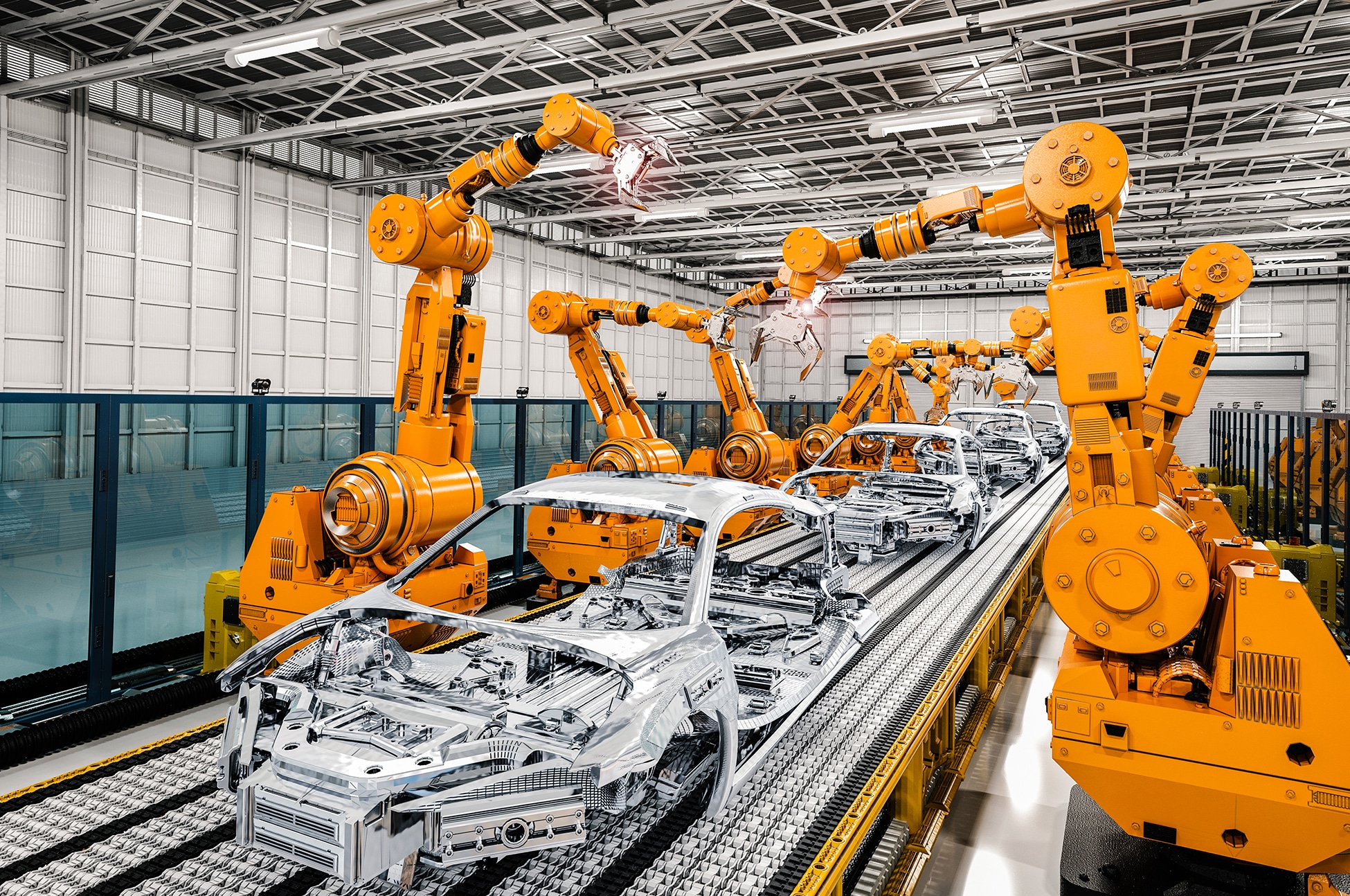
Industrial Automation:
In industrial automation production lines, conveyor gear motors play a key role, especially in manufacturing, assembly, packaging and other links. Its precise power output can ensure that various materials are quickly and stably transmitted on the assembly line, helping the production line to maintain efficient operation. This motor can operate stably in a long-term, high-frequency working environment, and can adapt to the needs of automated production lines for high loads and rapid response. With its excellent durability and efficiency, it has become an important equipment in industrial automation to improve production efficiency and reduce manual intervention.
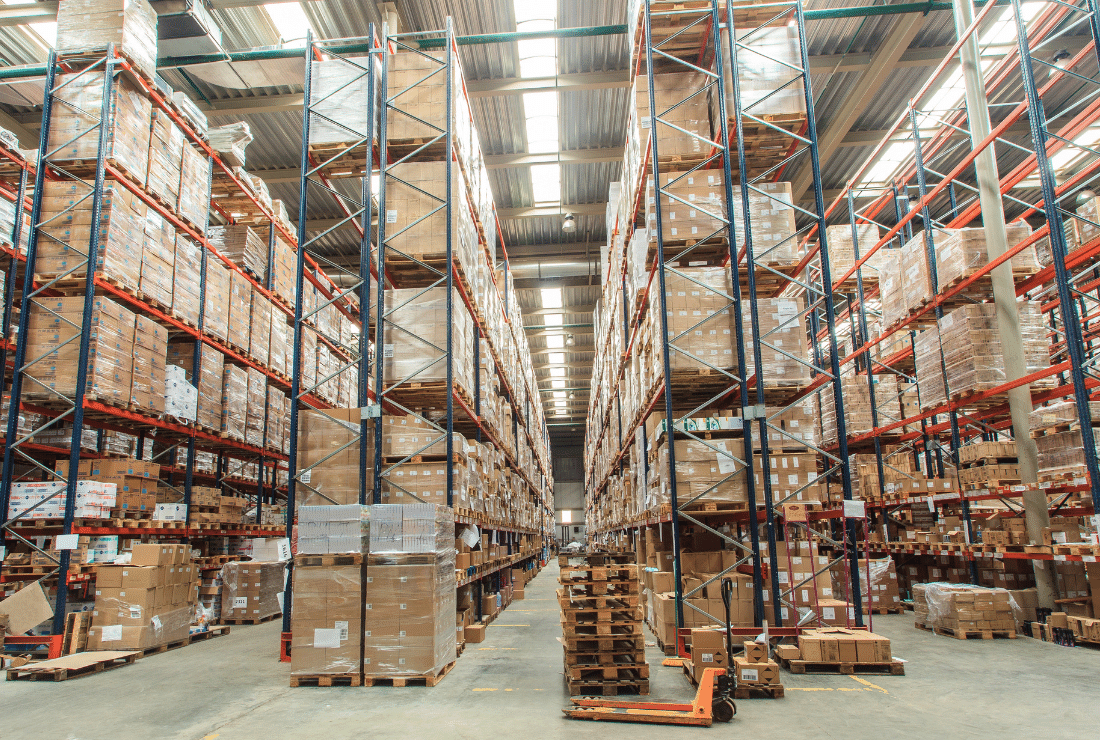
Logistics and warehousing management:
In modern logistics and warehousing management, conveyor gear motors are widely used in automated transmission systems to drive conveyor belts to transport various goods and packages. Its design can withstand long-term continuous operation to ensure that goods move quickly and efficiently in complex logistics networks. This motor can not only support long-distance material transmission, but also adapt to the transportation of items of different sizes and weights, especially in large logistics centers, sorting centers and warehouses, which greatly improves operating efficiency and reduces dependence on manual operation.
Installation Method:
| Structure and installation type (IM code)) |
IM B3 | IM B8 | IM B5 | IM B6 | IM V5 | IM V1 | IM B7 | IM V6 | IM V3 |
| Installation diagram |  |
 |
 |
 |
 |
 |
 |
 |
 |
| Frame size | 63-450 | 63-160 | 63-280 | 63-160 | 63-160 | 63-450 | 63-160 | 63-160 | 63-160 |
| Structure and installation type (IM code)) |
IM V37 | IM V17 | IM B34 | IM V19 | IM V18 | IM B14 | IM V35 | IM V15 | IM B35 |
| Installation diagram |  |
 |
 |
 |
 |
 |
 |
 |
 |
| Frame size | 63-132 | 63-13 | 63-132 | 63-132 | 63-132 | 63-132 | 63-160 | 63-160 | 63-450 |
FAQ
1: What is the maximum load capacity of this equipment?
The load capacity of this equipment depends on the specific model and configuration. Generally speaking, the equipment can be designed to withstand loads ranging from tens of kilograms to several tons. It is recommended to check the technical specifications provided by the manufacturer according to the specific application requirements when selecting to ensure that the selected equipment can meet your load requirements.
2: How to choose the right transmission ratio?
Choosing the right transmission ratio depends on the application requirements, including the required speed and torque. Lower transmission ratios are usually used in applications that require high torque, while higher transmission ratios are suitable for high-speed transmission. It is recommended to choose a suitable transmission ratio based on load characteristics, transmission distance, and the overall design of the production line.
3: What is the operating temperature range of this equipment?
The equipment usually works normally in an environment of -10℃ to +60℃, and the specific range needs to refer to the technical manual provided by the manufacturer. Some specially designed equipment can operate under more severe conditions, so you can consult the manufacturer for detailed information when purchasing.
4: How often is the equipment maintained?
Generally speaking, the maintenance frequency of this equipment is low, and it is usually recommended to conduct a comprehensive inspection every six months. Routine maintenance includes regular cleaning and checking the status of the lubricating oil to ensure the stability and reliability of the equipment for long-term operation. Under high load or harsh environment, the maintenance frequency may need to be increased appropriately.
5: Is the installation process complicated?
The installation process is relatively simple, usually only basic tools and some installation knowledge are required. The product usually comes with a detailed installation manual to guide the user through the installation. In addition, many manufacturers also provide on-site support to ensure the correct installation and commissioning of the equipment.
6: What is the energy consumption of this equipment?
The energy consumption of this equipment usually depends on the load and working conditions. Due to its efficient design, it can provide sufficient power output with low energy consumption. When choosing, you can check the energy consumption data provided by the manufacturer to help evaluate the energy efficiency level of the equipment.
7: Can it be customized according to needs?
Yes, many manufacturers provide customization services and can customize the design according to the specific needs of customers. This may include different motor power, transmission ratio, overall dimensions and other functional characteristics. Before purchasing, it is recommended to communicate your specific needs with the manufacturer in order to obtain the best solution.
Hot Tags: conveyor gear motor, China conveyor gear motor manufacturers, suppliers, factory, gear box with motor, geared motor, gear box motor
You Might Also Like


Send Inquiry