
 русский
  عربي
عربي  Español
 Português
 日本語
日本語 한국어
한국어 Français
 Deutsch
 ไทย
ไทย Indonesia
 Việt Nam
 Türkçe
 O'zbek
 简体中文
简体中文 Italiano
 Čeština
 Eesti
Eesti Gaeilgenah Éireann
 Bai Miaowen
 íslenska
 Cymraeg
 Български
 اردو
اردو Polski
 hrvatski
 українська
 bosanski
 فارسی
فارسی Lietuvių
 Latviešu
 עברית
עברית România limbi
 Ελληνικά
 dansk
dansk magyar
 Norsk
Norsk suomi
suomi Nederlands
 Svenska
 slovenčina
 slovenščina
 हिंदी
हिंदी Melayu
 Malti
Malti Kreyòl Ayisyen
 Català
 বাংলা
বাংলা Srbija jezik (latinica)


4 Gear Motor
4 gear motor
High performance output:
The 4 gear motor combines the high efficiency of the motor with the advantages of gear transmission, and can provide high torque and stable speed output at relatively low power consumption. This high-efficiency feature not only increases the power density of the device, but also reduces energy loss, making it more economical during operation. In addition, thanks to its precise speed adjustment capability, this motor can achieve flexible speed control and adapt to the needs of different processes, thereby significantly improving overall production efficiency and playing an important role in automation and industrial equipment.
Compact design:
The device adopts a compact structural design, making it easy to install and integrate into various devices. Its compact design allows it to work effectively in space-constrained environments, making it particularly suitable for the needs of modern industrial automated production lines. This feature also makes it widely used in robots, conveyors and various types of automation equipment, and can provide powerful power support without taking up too much space.
Durability and reliability:
Four-axis gear motors are usually made of high-strength materials with good wear resistance and corrosion resistance. This design ensures that the motor can still operate stably for a long time in harsh working environments, such as high temperature, high humidity or corrosive gas environments. In addition, the rigorously tested durability allows it to maintain good performance under high load and long-term operation, thereby reducing the failure rate and maintenance costs, and providing a strong guarantee for the company's continued production.
Flexible control performance:
The device supports a variety of control methods, including speed control, position control and torque control, to meet the needs of different applications. Its flexible control performance enables the motor to adapt to complex working conditions, especially in automated production and smart equipment. Whether in production lines with quick line changes or in applications that require precise positioning, this motor can easily handle it and provide support for the smooth progress of the production process.
Easy maintenance:
Four-axis gear motors are designed with ease of maintenance in mind and are usually equipped with components that are easy to replace and maintain, reducing the workload of maintenance personnel. The regular inspection and maintenance process is relatively simple and the operation is intuitive, which greatly reduces equipment downtime and ensures the continuous operation of the production line. At the same time, the optimized design reduces the wear of accessories, allowing the equipment to maintain high performance during long-term use and reducing overall maintenance costs.


Technical Specifications
| Parameter | Description |
| Model | Custom or Series Model |
| Power Supply Voltage | 110V / 220V / 380V (Optional) |
| Power Rating | 0.25 kW to 15 kW |
| Rated Speed | 60 / 120 / 180 / 300 RPM (Optional) |
| Rated Torque | 0.5 Nm to 200 Nm |
| Gear Ratio | 5:1 / 10:1 / 20:1 (Optional) |
| Efficiency | ≥ 85% |
| Operating Temperature | -20°C to +60°C |
| Material | High-strength Aluminum Alloy / Steel |
| Protection Class | IP54 / IP65 |
| Weight | 5 kg to 150 kg (depending on model) |
| Connection Type | Flange Connection / Bolt Connection |
| Cooling Method | Natural Cooling / Forced Air Cooling |
| Control Method | Variable Frequency Control / Servo Control (Optional) |
| Mounting Type | Horizontal / Vertical / Flanged Mounting |
Application areas of this product
:max_bytes(150000):strip_icc()/Lowell-mill-restored-3000-3x2gty-56d4be9a5f9b5879cc91b944.jpg "product-1-1")
Textile Industry
Weaving Processes
In the textile industry, four-gear motors play a critical role in weaving machines, where they drive the motion of the looms. These motors provide precise control over the speed and torque needed for various fabric types, ensuring consistent tension and quality in the woven product. The ability to operate at high speeds without compromising on reliability allows manufacturers to increase production rates, reduce downtime, and meet market demands effectively.
Knitting Applications
In knitting machinery, four-gear motors facilitate the intricate movements required to create complex patterns and textures. Their high torque output is essential for driving needle mechanisms and ensuring smooth yarn feeding. By utilizing these motors, textile manufacturers can enhance the accuracy of the knitting process, resulting in higher-quality fabrics with fewer defects.
Finishing Processes
The finishing processes, such as dyeing, printing, and coating, also benefit from four-gear motors. These motors ensure that the finishing equipment operates smoothly and consistently, which is crucial for achieving uniform results across batches. By maintaining optimal speeds and pressures, they contribute to the overall efficiency of textile production and help minimize waste.
Automotive Industry
Assembly Line Efficiency
In the automotive manufacturing sector, four-gear motors are pivotal in assembly lines, where they power various conveyor systems that transport parts and components. Their reliability and consistent performance allow for the seamless integration of different assembly processes, leading to improved productivity and reduced production time. The motors can be customized to meet specific torque and speed requirements, further enhancing the efficiency of the assembly operations.
Component Handling
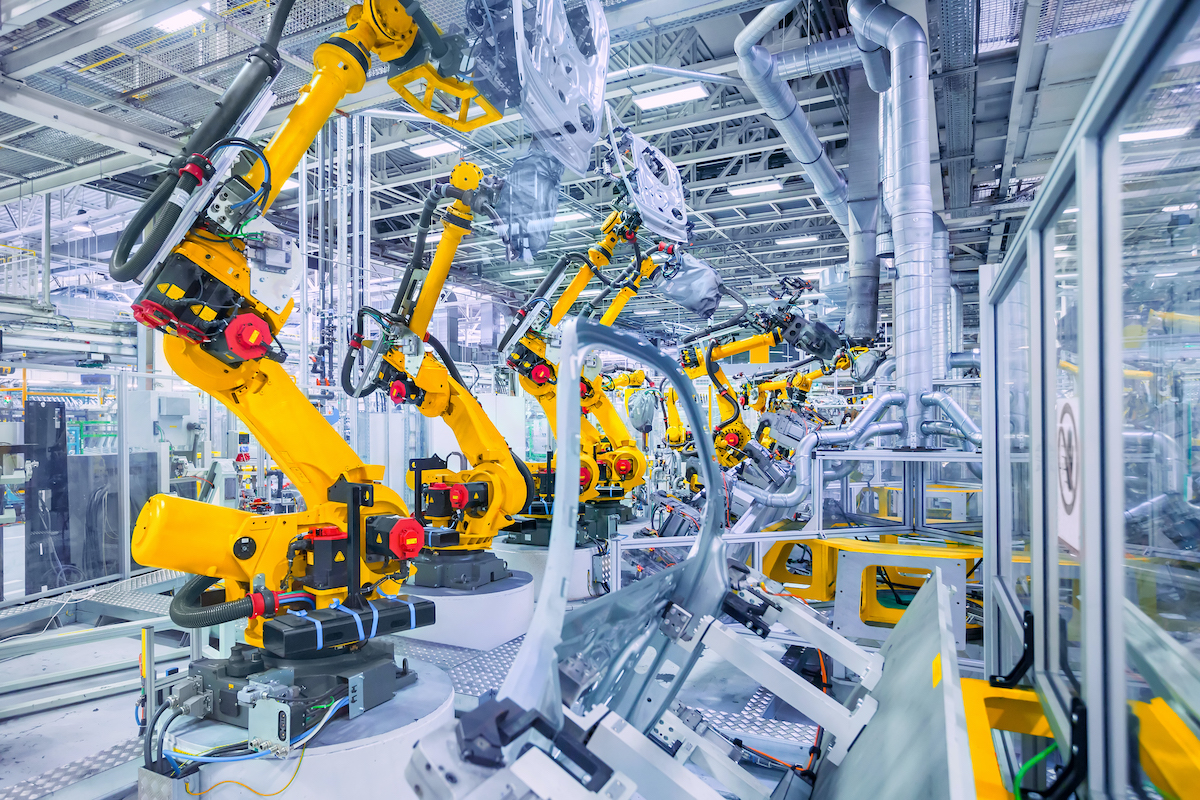
These motors are also utilized in robotic arms and automated systems that handle components during assembly. Their precise control enables accurate placement and manipulation of parts, which is crucial in maintaining the quality and integrity of the final product. By employing four-gear motors, manufacturers can automate repetitive tasks, reducing labor costs and increasing overall operational efficiency.
Automated Guided Vehicles (AGVs)
In modern automotive plants, four-gear motors are essential for the operation of AGVs that transport materials and components throughout the facility. Their ability to provide reliable torque and speed control allows AGVs to navigate complex routes and manage heavy loads effectively. This automation not only streamlines logistics but also enhances safety within the production environment by minimizing human intervention.
Installation Method:
| Structure and installation type (IM code)) |
IM B3 | IM B8 | IM B5 | IM B6 | IM V5 | IM V1 | IM B7 | IM V6 | IM V3 |
| Installation diagram |  |
 |
 |
 |
 |
 |
 |
 |
 |
| Frame size | 63-450 | 63-160 | 63-280 | 63-160 | 63-160 | 63-450 | 63-160 | 63-160 | 63-160 |
| Structure and installation type (IM code)) |
IM V37 | IM V17 | IM B34 | IM V19 | IM V18 | IM B14 | IM V35 | IM V15 | IM B35 |
| Installation diagram |  |
 |
 |
 |
 |
 |
 |
 |
 |
| Frame size | 63-132 | 63-13 | 63-132 | 63-132 | 63-132 | 63-132 | 63-160 | 63-160 | 63-450 |
FAQ
Question 1: What are the primary advantages of using this type of motor in industrial applications?
Answer: This type of motor offers several advantages, including high torque output, precise speed control, and robust durability. These features make it ideal for handling heavy loads and maintaining consistent performance in demanding environments. Additionally, its compact design allows for easy integration into various machinery without taking up excessive space.
Question 2: How does this motor contribute to energy efficiency in operations?
Answer: The motor is designed to optimize energy consumption through its efficient gearing system, which reduces energy loss during operation. This results in lower electricity costs and a smaller carbon footprint for the facility. Furthermore, its ability to maintain performance under varying loads ensures that energy is utilized effectively, enhancing overall operational efficiency.
Question 3: What maintenance requirements should be expected with this motor?
Answer: Regular maintenance is essential to ensure optimal performance and longevity. Users should conduct routine inspections to check for wear and tear, lubricate moving parts, and tighten any loose components. Following the manufacturer's guidelines for maintenance intervals will help prevent unexpected failures and extend the motor's lifespan.
Question 4: In what environments can this motor be effectively used?
Answer: This motor is versatile and can be utilized in various environments, including manufacturing facilities, warehouses, and automotive assembly lines. It is built to withstand harsh conditions, making it suitable for both indoor and outdoor applications. However, it's essential to consider environmental factors, such as exposure to dust, moisture, or extreme temperatures, when selecting the appropriate motor.
Question 5: Can this motor be customized to meet specific application needs?
Answer: Yes, this type of motor can often be customized to suit specific requirements. Manufacturers typically offer options for adjusting torque, speed, and other specifications to align with unique operational demands. Customization may involve different gear ratios, mounting configurations, or additional features, ensuring that the motor fits seamlessly into your system.
Question 6: What is the expected lifespan of this motor under normal operating conditions?
Answer: Under normal operating conditions, this motor can have a lifespan of several years, depending on usage, maintenance, and environmental factors. Regular maintenance and proper usage significantly contribute to longevity. Manufacturers often provide performance data to give users an indication of expected operational life under various conditions.
Hot Tags: 4 gear motor, China 4 gear motor manufacturers, suppliers, factory, high power motor, three phase electric motor, single phase motor, hv motor, ac asynchronous motor, three phase standard electric motor
You Might Also Like


Send Inquiry