
 русский
  عربي
عربي  Español
 Português
 日本語
日本語 한국어
한국어 Français
 Deutsch
 ไทย
ไทย Indonesia
 Việt Nam
 Türkçe
 O'zbek
 简体中文
简体中文 Italiano
 Čeština
 Eesti
Eesti Gaeilgenah Éireann
 Bai Miaowen
 íslenska
 Cymraeg
 Български
 اردو
اردو Polski
 hrvatski
 українська
 bosanski
 فارسی
فارسی Lietuvių
 Latviešu
 עברית
עברית România limbi
 Ελληνικά
 dansk
dansk magyar
 Norsk
Norsk suomi
suomi Nederlands
 Svenska
 slovenčina
 slovenščina
 हिंदी
हिंदी Melayu
 Malti
Malti Kreyòl Ayisyen
 Català
 বাংলা
বাংলা Srbija jezik (latinica)


2 Stage Electric Motor
2 stage electric motor
Two Distinct Operating Modes: The motor features two separate operational stages, each tailored to different power or speed requirements. This allows the motor to switch between modes depending on the application's needs. For instance, it can operate in a high-torque mode for heavy-duty tasks and a low-torque mode for lighter applications. This dual functionality enhances the motor's adaptability and makes it suitable for a variety of demanding tasks.
Optimized Power Delivery: The 2-stage design enables the motor to provide optimized power delivery by adjusting its output based on the stage selected. This means the motor can effectively meet varying power demands, ensuring that it operates efficiently whether under high load or low load conditions. Such optimized power delivery improves the overall effectiveness of the motor in applications requiring different levels of performance.
Energy Efficiency: The motor's two-stage operation enhances energy efficiency by allowing it to operate at optimal levels for different conditions. When in the lower stage, the motor consumes less power, contributing to reduced energy usage and lower operating costs. During high-demand periods, the motor can switch to the higher stage, delivering the necessary power without compromising on efficiency. This dual approach helps in balancing performance with energy savings.
Enhanced Control Mechanism: The motor features an advanced control mechanism that facilitates smooth transitions between its two stages. This ensures that the switch between high and low modes is seamless, providing precise control over the motor's performance. Such control is crucial in applications where consistent and reliable performance is needed, as it prevents sudden changes that could impact system stability.
Robust Design for Longevity: The motor is constructed with durability in mind, incorporating high-quality materials and engineering to withstand the stresses of dual-stage operation. This robust design ensures that the motor can handle extended periods of operation across different stages without experiencing significant wear and tear. The result is a longer operational lifespan and reduced need for frequent replacements or repairs.


2-Stage Electric Motor Technical Specifications
| Parameter | Details |
|---|---|
| Motor Type | 2-Stage Electric Motor |
| Power Rating | 0.75 kW - 15 kW |
| Voltage Rating | 220V / 380V / 400V AC |
| Frequency | 50/60 Hz |
| Number of Phases | Single Phase / Three Phase |
| Speed Settings | High Speed / Low Speed |
| Speed Range | High Speed: 1500 - 3000 RPM Low Speed: 500 - 1500 RPM |
| Efficiency | Up to 90% |
| Insulation Class | Class B / Class F |
| Cooling Method | Air Cooled / Fan Cooled |
| Duty Cycle | S1 (Continuous) / S3 (Intermittent) |
| Mounting Type | Foot Mount / Flange Mount |
| Protection Class | IP20 / IP54 |
| Ambient Temperature | -10°C to +60°C |
| Noise Level | < 75 dB(A) |
| Vibration Level | Low (ISO 10816 Class A) |
| Control Method | Manual Switch / Automatic Control System |
| Starting Method | Direct On-Line (DOL) / Star-Delta |
| Power Factor | 0.85 - 0.95 |
| Overload Capacity | 150% of Rated Torque for 60 seconds |
| Phase Sequence | ABC (Standard) / Custom |
| Connection Terminals | Terminal Box / Plug-in |
| Dimensions (L x W x H) | Varies by Power Rating |
| Weight | Varies by Power Rating |
Application areas of 2 stage electric motor
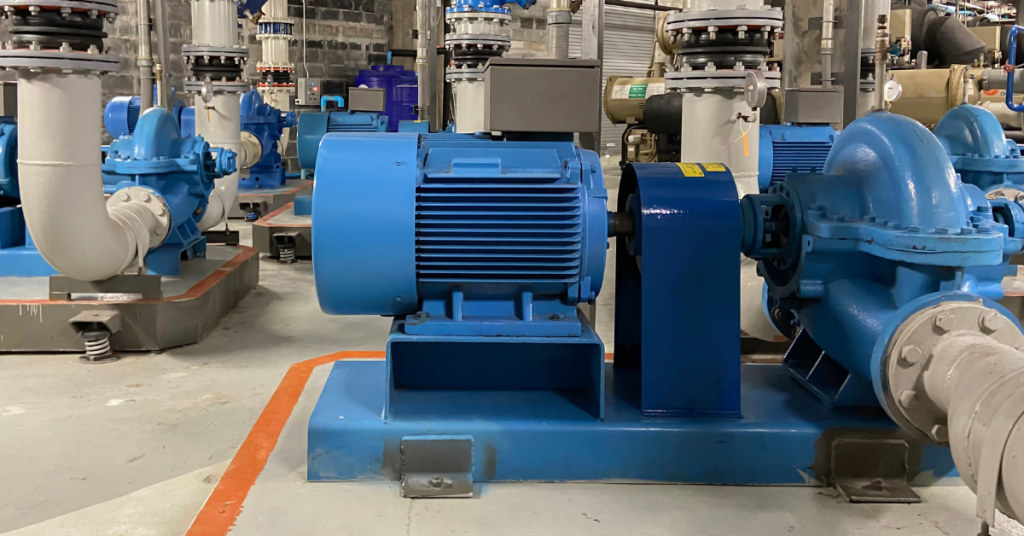
Industrial Compressors:
In industrial compressors, a 2-stage electric motor provides versatility by allowing the compressor to operate efficiently at different pressure levels. The high-speed stage is used for the initial compression phase, while the low-speed stage handles the final compression. This dual-stage operation ensures optimal performance and energy efficiency, making it suitable for applications in manufacturing, refrigeration, and air conditioning systems.
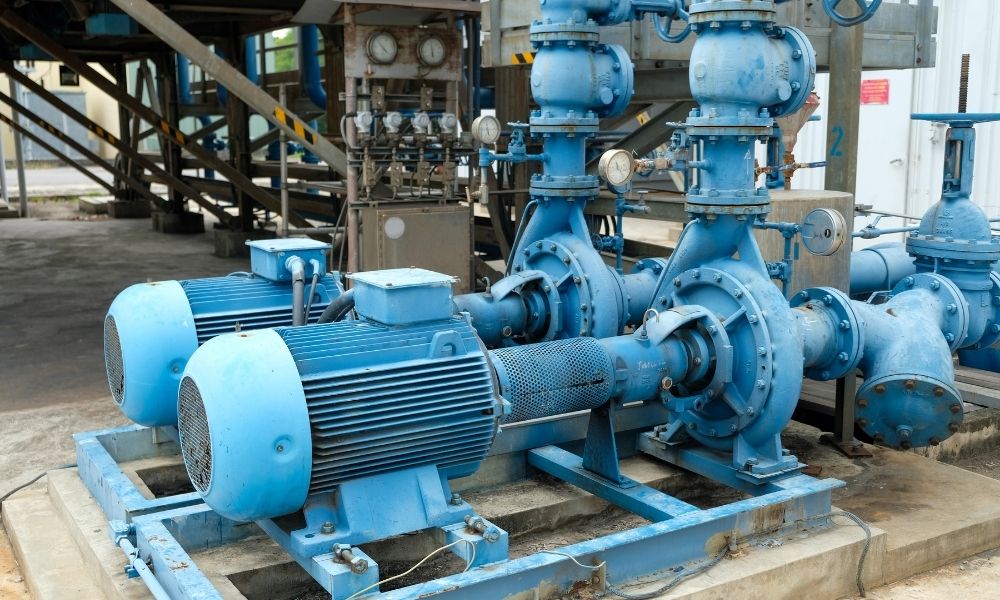
Pumps:
In various pumping applications, such as water, oil, or chemical pumps, the 2-stage electric motor can adapt to different flow rates and pressures. The motor's high-speed stage is suitable for tasks requiring rapid fluid transfer or high pressure, while the low-speed stage is used for steady, consistent pumping. This adaptability makes it ideal for use in irrigation systems, sewage treatment plants, and industrial fluid handling processes.
Installation Method:
| Structure and installation type (IM code)) |
IM B3 | IM B8 | IM B5 | IM B6 | IM V5 | IM V1 | IM B7 | IM V6 | IM V3 |
| Installation diagram |  |
 |
 |
 |
 |
 |
 |
 |
 |
| Frame size | 63-450 | 63-160 | 63-280 | 63-160 | 63-160 | 63-450 | 63-160 | 63-160 | 63-160 |
| Structure and installation type (IM code)) |
IM V37 | IM V17 | IM B34 | IM V19 | IM V18 | IM B14 | IM V35 | IM V15 | IM B35 |
| Installation diagram |  |
 |
 |
 |
 |
 |
 |
 |
 |
| Frame size | 63-132 | 63-13 | 63-132 | 63-132 | 63-132 | 63-132 | 63-160 | 63-160 | 63-450 |
FAQ
1. What are the advantages of having a motor with dual-stage operation?
A motor with dual-stage operation offers several advantages, including enhanced flexibility and efficiency. The ability to switch between two distinct operational stages allows the motor to handle a range of tasks by adjusting its performance to meet specific requirements. For example, one stage might be optimized for high power output, while the other is designed for energy efficiency. This versatility improves overall system performance by providing tailored solutions for varying conditions, whether it's for heavy-duty applications or lighter, continuous tasks. Additionally, having dual stages can lead to energy savings by allowing the motor to operate at optimal efficiency depending on the load.
2. How does the motor transition between its two stages?
The transition between the two stages of operation is typically managed through a control system or manual switch that adjusts the motor's configuration. This process involves changing the motor's operational parameters to switch from one stage to another. For instance, the motor might use different winding configurations or adjust its power supply to change speed or torque settings. The transition is designed to be smooth to avoid disruptions in performance. Properly managed stage transitions ensure that the motor can handle varying operational demands without compromising its efficiency or reliability.
3. What types of applications are ideal for this motor?
This motor is suitable for a variety of applications where variable performance is needed. It excels in systems such as industrial compressors, where different pressure levels are required for different stages of operation. It is also ideal for HVAC systems, where it can switch between high-speed operation for peak demand and low-speed operation for steady airflow. Other applications include pumps, where it can handle varying flow rates, and conveyor systems that benefit from adjustable speeds. Its versatility also extends to agricultural machinery and automotive systems where adjustable speed and power are advantageous.
4. How does the motor's efficiency vary between its two stages?
The efficiency of the motor is optimized for both stages of operation, but it may vary slightly depending on the specific application and load conditions. In general, the motor is designed to provide high efficiency in both high and low-speed settings. When operating at high speed, it delivers maximum power output, suitable for demanding tasks. At low speed, the motor operates more energy-efficiently, which reduces power consumption and operational costs. The dual-stage design allows the motor to adapt its efficiency based on the performance needs, helping to balance power output and energy savings effectively.
5. What maintenance is required for this motor?
Maintenance for this motor is relatively straightforward but important to ensure reliable operation. Regular tasks include inspecting the motor for signs of wear, such as unusual noises or vibrations, and checking the condition of electrical connections. It's also essential to ensure that the cooling system is functioning properly to prevent overheating. Depending on the application, periodic lubrication of moving parts may be necessary. The motor's dual-stage design typically reduces the complexity of maintenance compared to more intricate systems, but following manufacturer guidelines for upkeep helps prolong the motor's lifespan and maintain performance.
6. What factors should be considered when selecting this motor for a specific application?
When selecting this motor, consider the operational requirements of your application, including the needed power output and speed settings. Ensure that the motor's stages align with the specific performance criteria of your system. Evaluate the environmental conditions where the motor will be used, such as temperature and exposure to dust or moisture, to choose an appropriate protection class. Additionally, consider the mounting and installation requirements to ensure compatibility with existing equipment. Assessing these factors helps ensure that the motor will meet the demands of your application effectively.
7. How does the motor's design impact its reliability and longevity?
The motor's design, featuring dual-stage operation, contributes to its reliability and longevity by allowing it to handle varying loads without excessive strain. The use of separate stages for different operational needs helps distribute mechanical stress and reduce wear on components. This design also minimizes the likelihood of overheating by optimizing performance according to the stage selected. Regular maintenance and proper installation further enhance the motor's durability. By managing performance efficiently across different stages, the motor is less likely to experience premature failure, leading to a longer operational lifespan and reduced maintenance costs.
Hot Tags: 2 stage electric motor, China 2 stage electric motor manufacturers, suppliers, factory, two speed motor, dual speed electric motor
You Might Also Like


Send Inquiry