
 русский
  عربي
عربي  Español
 Português
 日本語
日本語 한국어
한국어 Français
 Deutsch
 ไทย
ไทย Indonesia
 Việt Nam
 Türkçe
 O'zbek
 简体中文
简体中文 Italiano
 Čeština
 Eesti
Eesti Gaeilgenah Éireann
 Bai Miaowen
 íslenska
 Cymraeg
 Български
 اردو
اردو Polski
 hrvatski
 українська
 bosanski
 فارسی
فارسی Lietuvių
 Latviešu
 עברית
עברית România limbi
 Ελληνικά
 dansk
dansk magyar
 Norsk
Norsk suomi
suomi Nederlands
 Svenska
 slovenčina
 slovenščina
 हिंदी
हिंदी Melayu
 Malti
Malti Kreyòl Ayisyen
 Català
 বাংলা
বাংলা Srbija jezik (latinica)


Permanent Magnet Synchronous Ac Motor
permanent magnet synchronous ac motor
High efficiency: Permanent magnetic iron is used as a permanent magnetic material production magnetic source for AC motors, and other types of design and excitation current requirements. The loss of excitation current means that the electric power is lost during the operation of the moving machine, and the external power consumption of the electric power is not present in the process of operation. This design allows the computer to operate under different operating conditions, maintain high efficiency, and when the system changes, its effectiveness can vary greatly, ensuring the system's complete stability and effectiveness.
Permanent magnetic iron provides highly stable magnetic field, and electric power can be used to maintain horizontal operation with high efficiency. Due to the permanent magnetic force, the magnetic field does not deteriorate, and the various types of electric machines can maintain high efficiency during operation for a long time, and under certain circumstances, can also be used to express different effects.
Excellent efficiency factor: The efficiency factor of various electric moving equipment is close to 1, which means that the electric moving function can be improved. A high efficiency factor does not provide a high power usage efficiency, and a low power system has a negative impact on the power system, which reduces energy consumption. Various types of electric motors have special requirements for high-efficiency, high-capacity conversion, and high-precision control system construction.
High square density: Permanent magnetic iron can be used with mechanical design to provide even higher square density under weight conditions. Under the condition of finite space sum and weight, which means that different types of high displacement and square density exist, various types of electric motors can be used to increase the output power, and they can be used with high efficiency and output power type design. The design allows for a small body to have a high performance rate, but also to meet the requirements for space and weight.
Excellent dynamic performance: Various electric dynamic devices have the ability to operate dynamically, and its magnetic field has the same characteristics as the magnetic field. We offer a variety of different dynamic performance systems, complete control precision and reaction speed, and the use of electric motors that require special different combinations of rapid change and precise control of the working environment, as well as automatic production lines and electric motor vehicle movement systems.
Low demand for mechanical polishing: Permanent iron and motors do not have brushes and smooth parts, but there are other types of motors, and there are regular mechanical polishing demands. As a result, there have been some minor adverse events, the demand for electrical machinery has decreased, and the failure rate during the operation process has also decreased. This will not reduce the amount of time it takes to reduce the amount of time it takes to reduce the amount of time it takes to reduce the amount of time it takes to reduce the amount of time it takes to reduce the amount of time it takes.


Technical Specifications
| Parameter | Description | Typical Values |
|---|---|---|
| Rated Power | Maximum continuous power the motor can handle | 0.5 kW to 500 kW |
| Rated Voltage | Standard operating voltage | Single-Phase: 230 V Three-Phase: 400 V to 690 V |
| Rated Frequency | Electrical supply frequency | 50 Hz or 60 Hz |
| Rated Speed | Speed at which the motor delivers its rated power | 1,000 RPM to 3,000 RPM |
| Efficiency | Ratio of mechanical output power to electrical input power | 85% to 95% |
| Power Factor | Ratio of real power used to apparent power | 0.9 to 1.0 |
| Torque | Maximum torque the motor can generate at rated speed | 1 Nm to 1,000 Nm |
| Temperature Rating | Maximum safe operating temperature of the motor windings | Class F (155°C) or Class H (180°C) |
| Insulation Class | Protection against dust and water ingress | IP55 or IP65 |
| Cooling Method | Method used to dissipate heat from the motor | Air-cooled or Water-cooled |
| Dimensions and Weight | Physical size and weight of the motor | Varies by model |
| Noise Level | Noise produced by the motor during operation | 60 dB(A) to 80 dB(A) |
| Control Method | Techniques used to control speed and torque | Vector Control, Direct Torque Control (DTC) |
| Certifications | Compliance with international standards | CE, UL, RoHS |
Application areas of permanent magnet synchronous ac motor
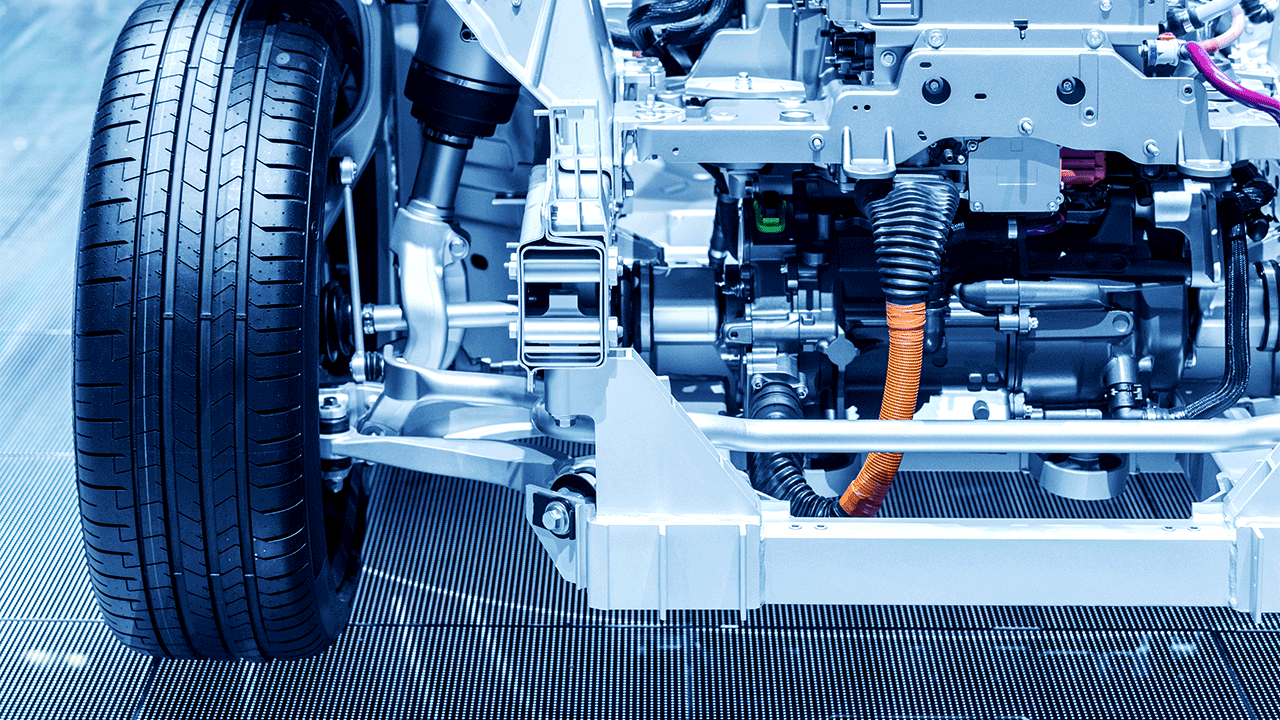
Electric Vehicles (EVs): These motors are a cornerstone in the development and operation of electric and hybrid vehicles due to their exceptional efficiency and performance characteristics. These motors are designed to maximize energy conversion, significantly improving the overall efficiency of the vehicle's propulsion system. One of their standout features is the high torque-to-weight ratio, which translates into powerful acceleration and dynamic performance without compromising vehicle weight. This efficiency not only enhances the driving experience by providing smooth and responsive acceleration but also contributes to extended driving ranges, addressing one of the key concerns of electric vehicle users-range anxiety. The precise control capabilities of permanent magnet synchronous motors allow for fine-tuned control over the vehicle's speed and torque, which is crucial for optimizing energy use and achieving the desired driving characteristics. Furthermore, the lack of a commutator and brushes in these motors reduces maintenance needs and improves reliability, making them a preferred choice for modern electric and hybrid vehicles. The integration of these motors in automotive systems enhances performance metrics such as top speed, acceleration, and energy efficiency, contributing to the advancement of sustainable transportation technologies.
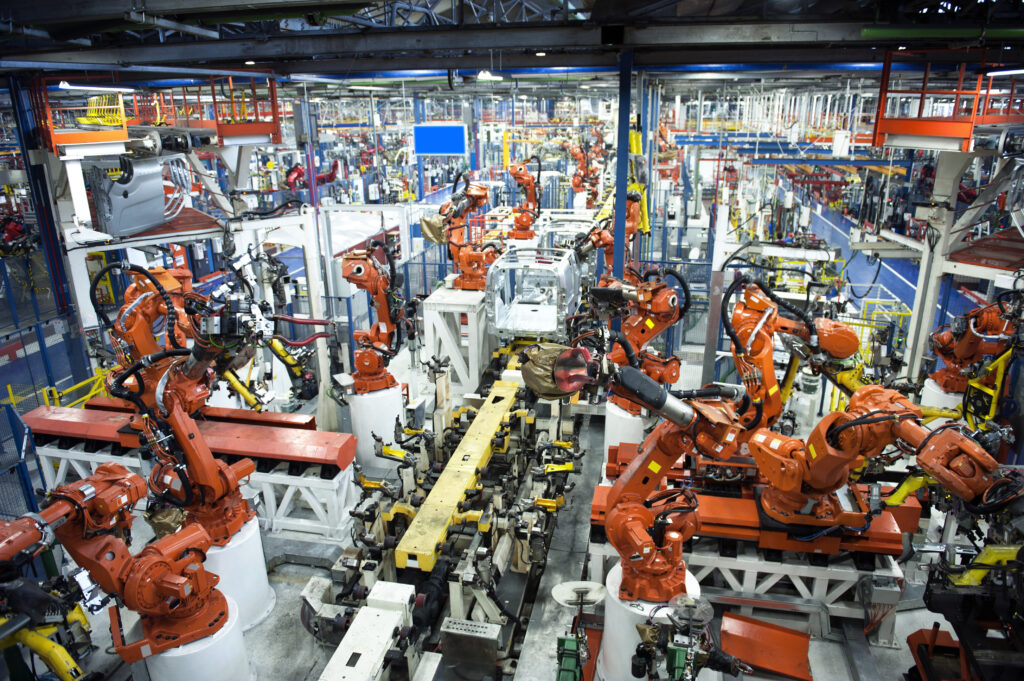
Industrial Automation: In the realm of industrial automation,these motors play a critical role in enhancing the efficiency and precision of various automated systems. These motors are integral to the operation of conveyor belts, robotics, and CNC machines, where their high efficiency and accurate control capabilities are vital for maintaining optimal productivity and quality. In conveyor systems, for example, the precise speed control and torque provided by these motors ensure smooth and reliable material handling, which is essential for efficient production processes. Similarly, in robotics, the high torque density and responsive control enable precise manipulation and movement, crucial for tasks that require high accuracy and repeatability. CNC machines benefit from the stable and consistent performance of these motors, which translates into high-quality machining results and reduced operational downtime. The ability to deliver consistent and reliable performance under varying load conditions makes these motors well-suited for industrial applications where precision and reliability are paramount. By improving operational efficiency and reducing maintenance requirements, permanent magnet synchronous AC motors contribute significantly to the advancement of industrial automation technologies, driving productivity and enhancing overall manufacturing performance.
Installation Method:
| Structure and installation type (IM code)) |
IM B3 | IM B8 | IM B5 | IM B6 | IM V5 | IM V1 | IM B7 | IM V6 | IM V3 |
| Installation diagram |  |
 |
 |
 |
 |
 |
 |
 |
 |
| Frame size | 63-450 | 63-160 | 63-280 | 63-160 | 63-160 | 63-450 | 63-160 | 63-160 | 63-160 |
| Structure and installation type (IM code)) |
IM V37 | IM V17 | IM B34 | IM V19 | IM V18 | IM B14 | IM V35 | IM V15 | IM B35 |
| Installation diagram |  |
 |
 |
 |
 |
 |
 |
 |
 |
| Frame size | 63-132 | 63-13 | 63-132 | 63-132 | 63-132 | 63-132 | 63-160 | 63-160 | 63-450 |
FAQ
1.What are the key benefits of using this type of motor compared to other motor technologies?
The primary benefits of this motor technology include its high efficiency and excellent torque-to-weight ratio. Unlike traditional motors, this type eliminates the need for external excitation, which reduces energy losses and enhances overall efficiency. It also offers superior performance characteristics such as smooth acceleration and precise speed control. The high torque density allows for powerful performance in a compact size, making it ideal for applications where space and weight are constraints. Additionally, the absence of brushes and commutators results in lower maintenance requirements and increased reliability.
2.What factors should be considered when selecting the appropriate size and power rating for this motor?
When selecting the appropriate size and power rating, factors such as the application's power requirements, operating environment, and mechanical constraints should be considered. It is important to match the motor's power rating with the application's needs to ensure optimal performance. Consider the voltage and frequency of the electrical supply, as well as the motor's speed and torque requirements. Additionally, the environmental conditions, such as temperature and potential exposure to moisture or dust, will affect the choice of motor specifications. Proper sizing ensures that the motor operates efficiently and reliably under its intended load conditions.
3.How does the motor handle varying load conditions and what is its impact on performance?
This motor technology is designed to handle varying load conditions with minimal impact on performance. Its advanced control systems enable it to maintain stable operation even when load conditions fluctuate. The motor's ability to adjust torque and speed in real-time ensures consistent performance and efficiency. In applications with variable loads, such as conveyor systems or robotics, this capability allows for smooth operation and precise control, which is essential for maintaining high productivity and accuracy.
4.What are the typical maintenance requirements for this motor?
This motor type generally has lower maintenance requirements compared to other motor types due to its design. The absence of brushes and commutators eliminates parts that typically wear out and require replacement. Maintenance tasks are primarily focused on monitoring and ensuring the proper operation of the motor, such as checking for any signs of wear or performance issues. Regular inspections and cleaning are usually sufficient to maintain optimal performance. In comparison, motors with brushes and commutators may require more frequent maintenance, including brush replacement and commutator cleaning.
5.What is the expected lifespan of this motor?
The expected lifespan of this motor is generally longer than that of motors with brushes and commutators due to the lack of mechanical wear components. With proper maintenance and operating conditions, these motors can provide reliable performance for many years. The robust construction and advanced materials used in these motors contribute to their durability. In comparison, traditional motors with wear-prone components may have a shorter lifespan and require more frequent replacements and maintenance.
6.What are the typical applications where this motor technology excels?
This motor technology excels in applications requiring high efficiency, precise control, and compact size. Typical applications include electric and hybrid vehicles, where its high torque-to-weight ratio and efficiency contribute to better performance and extended range. It is also used in industrial automation systems, such as conveyor belts, robotics, and CNC machines, where its precise control and reliability are crucial for maintaining productivity and quality. Additionally, it is well-suited for renewable energy systems, like wind turbines, where its efficiency helps maximize energy generation.
Hot Tags: permanent magnet synchronous ac motor, China permanent magnet synchronous ac motor manufacturers, suppliers, factory, synchronous reluctance machine, synchronous motor, synchronous machine
You Might Also Like


Send Inquiry