
 русский
  عربي
عربي  Español
 Português
 日本語
日本語 한국어
한국어 Français
 Deutsch
 ไทย
ไทย Indonesia
 Việt Nam
 Türkçe
 O'zbek
 简体中文
简体中文 Italiano
 Čeština
 Eesti
Eesti Gaeilgenah Éireann
 Bai Miaowen
 íslenska
 Cymraeg
 Български
 اردو
اردو Polski
 hrvatski
 українська
 bosanski
 فارسی
فارسی Lietuvių
 Latviešu
 עברית
עברית România limbi
 Ελληνικά
 dansk
dansk magyar
 Norsk
Norsk suomi
suomi Nederlands
 Svenska
 slovenčina
 slovenščina
 हिंदी
हिंदी Melayu
 Malti
Malti Kreyòl Ayisyen
 Català
 বাংলা
বাংলা Srbija jezik (latinica)


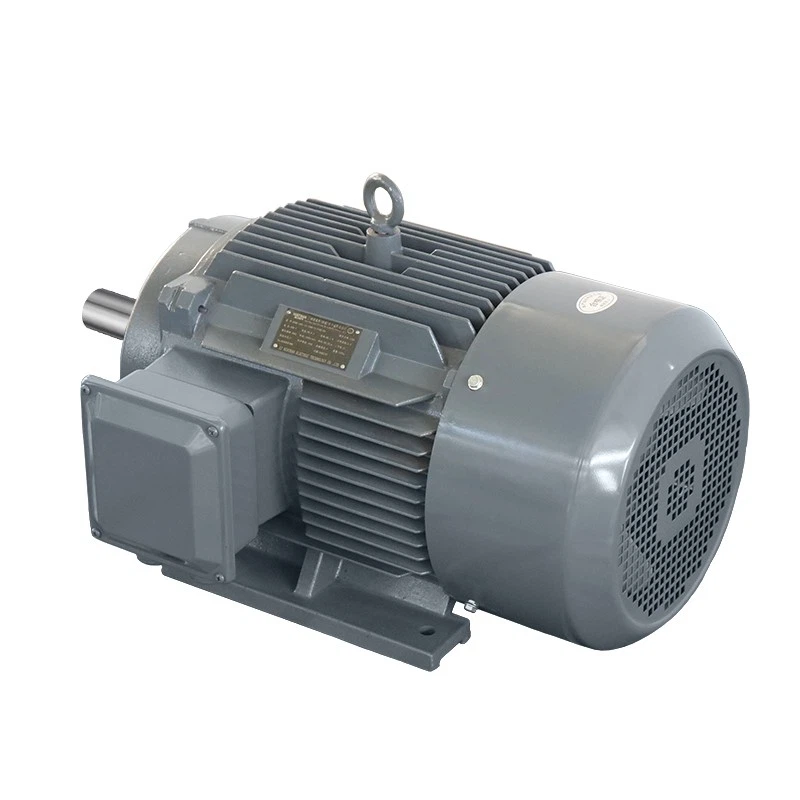
4 Pole Synchronous Motor
4 pole synchronous motor
Constant speed running: One of the special features of the four-wheel drive machine is its ability to run at constant speed. No need to change the speed of electricity and maintain constant speed. This is due to the fact that the speed of the power source is the same as the current rate, ensuring that the demand for constant speed operation is constant, the production line or precision machinery is capable of achieving precise performance. Various types of constant speed characteristics can be avoided, so that the speed change can be guided by the wave motion, but the situation can also be improved by providing a high level of control over the movement control accuracy, and a specific combination of speed consistency.
High efficiency: 4 times the same running electric machine has the same running characteristics and high efficiency. Due to the electric power ratio, the difference rate of various electric devices is low, and the external capacity is depleted. As a result of the high efficiency of the various types, there is no waste of production capacity during the operation of the electric machine, and the use of the electric power decreases significantly. Due to this, during its long period of use, it has low energy cost and high efficiency. In addition, high efficiency also means that the machine has less heat during operation, and the cooling system has less heat during operation, so it has a longer service life.
Precise speed control: The precise speed control provided by the phone is extremely important. For example, during the number control desk or high-precision transport system, it is possible to control the precision of the electronic speed and ensure the consistency and localization accuracy of the product processing. Precise speed control can help reduce speed waves and influence the production process, but it also provides high quality and operation precision, which is particularly important in the high-end industrial design that requires small mechanical performance.
Improving the effectiveness factor: 4 times the same step can be designed to improve the efficiency factor of the electrical system. The operation model of the electric power system is generally adjusted, the efficiency factor of the operation is delayed or exceeded, the efficiency is low and the electric power is not effective, and the overall efficiency of the high power system is high. The efficiency factor of the improvement does not have to be lower than that of low power consumption, so it is possible to reduce the low power company's system's net negative requirements, and it also reduces the low performance of the high power system.
Determining the behavior: Ensuring the same characteristics of the computer. Due to the feeling of avoidance, the performance fluctuations caused by the slippage in the electric machine, and the performance consistent with the appearance during the use of the various electric machines. This kind of specificity can be used in various areas with high requirements for operation, consistency, and other key production lines.
No-electronic polishing: At the same time, the mechanical design of the electronic printing parts is reduced, and the demand for mechanical polishing is reduced. The problem of the electronic noise caused by the failure of the electronic printing system and the electronic noise caused by it. Due to the lack of electricity, the electricity cycle is long and the operation can be changed. This design has not been designed to reduce the fall of electricity, but it has increased the overall durability and stability of the electronics, and maintains different performance during operation for a long period of time.


Technical Specifications
| Parameter | Description | Typical Values |
|---|---|---|
| Rated Power | Maximum continuous power the motor can handle | 0.5 kW to 1000 kW |
| Rated Voltage | Standard operating voltage | 230 V, 400 V, 690 V (Three-Phase) |
| Rated Frequency | Electrical supply frequency | 50 Hz or 60 Hz |
| Rated Speed | Speed at which the motor operates at synchronous speed | 1500 RPM (for 50 Hz) 1800 RPM (for 60 Hz) |
| Efficiency | Ratio of mechanical output power to electrical input power | 85% to 97% |
| Power Factor | Ratio of real power used to apparent power | 0.8 to 1.0 |
| Torque | Maximum torque the motor can generate at rated speed | Varies based on power rating |
| Insulation Class | Motor winding insulation rating | Class F (155°C) or Class H (180°C) |
| Cooling Method | Method used to dissipate heat from the motor | Air-cooled or Water-cooled |
| Enclosure Type | Protection against environmental factors | IP55 or IP65 |
| Noise Level | Noise produced by the motor during operation | 60 dB(A) to 80 dB(A) |
| Starting Method | Technique used to start the motor | Direct On-Line (DOL), Soft Start, VFD (Variable Frequency Drive) |
| Weight | Physical weight of the motor | Varies by model and power rating |
| Mounting Type | Motor mounting configuration | Horizontal, Vertical |
| Operating Temperature | Range of ambient temperatures the motor can operate in | -20°C to 40°C |
| Certifications | Compliance with international standards | CE, UL, RoHS |
Application areas of 4 pole synchronous motor
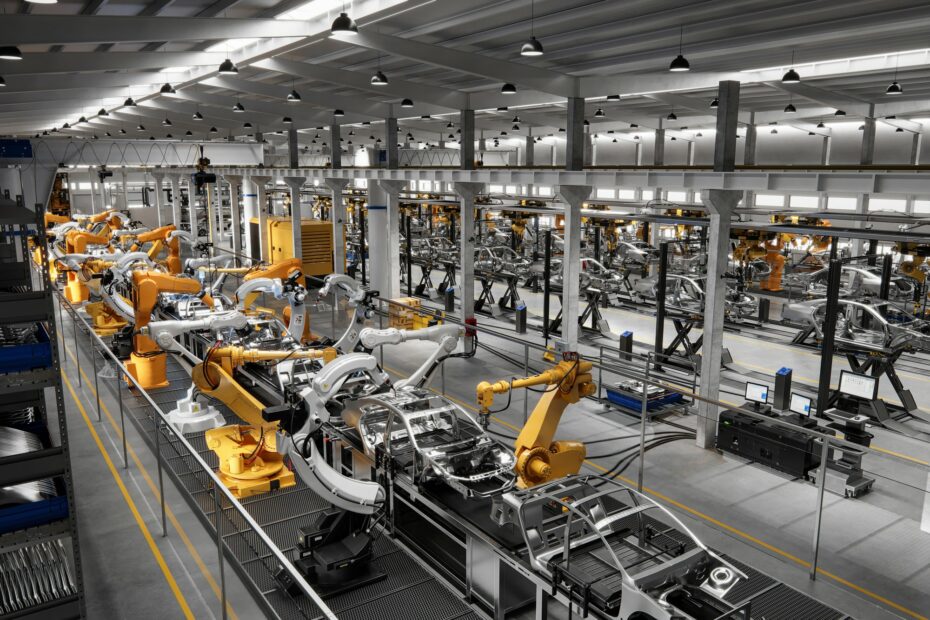
Industrial machinery: Four-pole synchronous motors have been widely used in the field of industrial machinery, mainly due to their excellent precision speed control and stable operation capabilities. In industrial production, many equipment such as compressors, pumps and conveyor belts rely on motor drives. The efficient operation of these equipment is essential to maintaining the continuity of the entire production process and product quality. Since the speed of the four-pole synchronous motor is synchronized with the power frequency, it can maintain a constant operating speed regardless of how the load changes, which ensures that the equipment can operate stably under various working conditions and avoids the adverse effects of speed fluctuations. This stability is particularly important for mechanical equipment that needs to run continuously for a long time, such as conveyor belts in production lines. The stability of its speed directly affects production efficiency and product consistency. At the same time, the precise speed control capability of the four-pole synchronous motor also provides an ideal solution for some precision processing equipment. In application scenarios that require precise positioning and speed adjustment, it can significantly improve operating accuracy and ensure that each step in the production process is carried out within the predetermined speed range, thereby improving the overall production quality and efficiency.
Power generation system: Four-pole synchronous motors also play a vital role in power generation systems, especially in AC generators and synchronous generators. Its ability to maintain a constant speed is essential for the stability of power generation. During the power generation process, the speed of the motor is directly related to the frequency of the power grid. Any speed fluctuation will lead to instability in the power generation frequency, which will affect the quality of electricity and the stability of the power grid. Four-pole synchronous motors can accurately keep their speed consistent with the power frequency, which means that they can output electrical energy at a constant frequency, ensuring that the power grid can provide a stable and reliable power supply. In addition, the high efficiency and low maintenance characteristics of four-pole synchronous motors make them an ideal choice for power generation systems, especially in situations where long-term continuous operation and complex environmental conditions are required. The stability and reliability of this motor can effectively reduce downtime and maintenance costs, further improving the overall operating efficiency of the power system.

Installation Method:
| Structure and installation type (IM code)) |
IM B3 | IM B8 | IM B5 | IM B6 | IM V5 | IM V1 | IM B7 | IM V6 | IM V3 |
| Installation diagram |  |
 |
 |
 |
 |
 |
 |
 |
 |
| Frame size | 63-450 | 63-160 | 63-280 | 63-160 | 63-160 | 63-450 | 63-160 | 63-160 | 63-160 |
| Structure and installation type (IM code)) |
IM V37 | IM V17 | IM B34 | IM V19 | IM V18 | IM B14 | IM V35 | IM V15 | IM B35 |
| Installation diagram |  |
 |
 |
 |
 |
 |
 |
 |
 |
| Frame size | 63-132 | 63-13 | 63-132 | 63-132 | 63-132 | 63-132 | 63-160 | 63-160 | 63-450 |
FAQ
1.What advantages does this motor offer in terms of operational stability compared to other motor types?
This motor provides exceptional operational stability due to its ability to maintain a constant speed regardless of load variations. This is a critical advantage in applications where consistent performance is essential, such as in industrial machinery and power generation. The motor's speed is synchronized with the power supply frequency, which means it doesn't experience the speed fluctuations commonly associated with other motor types, such as induction motors. This stability not only ensures reliable operation but also improves process control and reduces wear and tear on connected equipment.
2.How does the motor's efficiency impact long-term operational costs?
The high efficiency of this motor significantly reduces long-term operational costs. Due to its synchronous operation, the motor experiences minimal slip, leading to lower energy losses compared to other motor types. This reduction in energy consumption translates to lower electricity bills over time. Additionally, the motor's efficient performance means it generates less heat, reducing the need for extensive cooling systems and further decreasing energy costs. Over the lifespan of the motor, these efficiency gains can result in substantial savings, making it a cost-effective choice for continuous and heavy-duty applications.
3.In what types of environments is this motor best suited to operate?
This motor is highly adaptable and performs well in a variety of environments, including those that are demanding or harsh. It is well-suited for use in industrial settings where consistent, reliable operation is critical. Additionally, the motor can be used in environments with varying temperatures and exposure to dust or moisture, provided it is equipped with the appropriate enclosure and cooling mechanisms. Its robust construction and ability to maintain performance in less-than-ideal conditions make it an excellent choice for applications in industries like mining, oil and gas, and heavy manufacturing.
4.How does this motor handle varying load conditions?
The motor is designed to handle varying load conditions exceptionally well. Its synchronous nature allows it to maintain a constant speed even when the load changes, ensuring stable operation. This characteristic is particularly beneficial in applications where load conditions are not constant, such as in conveyor systems or pumps. By maintaining a consistent speed, the motor helps to avoid the inefficiencies and potential damage that can occur when a motor's speed fluctuates with load changes. This consistent performance contributes to the longevity and reliability of the entire system.
5.What considerations should be taken into account when integrating this motor into an existing system?
When integrating this motor into an existing system, several factors should be considered. First, it is essential to ensure that the motor's power rating matches the application's requirements. Additionally, the system's electrical supply must be compatible with the motor's voltage and frequency specifications. Another important consideration is the method of starting the motor; depending on the application, a direct on-line start, soft start, or variable frequency drive (VFD) might be necessary to manage inrush current and protect the motor. Finally, the physical mounting and cooling requirements should be evaluated to ensure proper installation and operation.
6.How does this motor contribute to overall system efficiency and reliability?
This motor significantly enhances overall system efficiency and reliability. Its high efficiency reduces energy consumption, contributing to lower operating costs. Additionally, its ability to maintain a constant speed ensures consistent performance, which is vital for processes that require precise control. The motor's robust design and low maintenance needs also enhance system reliability, reducing the likelihood of unexpected downtime. By providing stable and efficient operation, the motor helps ensure that the entire system functions smoothly and efficiently, contributing to the long-term success of the application.
Hot Tags: 4 pole synchronous motor, China 4 pole synchronous motor manufacturers, suppliers, factory, synchronous machine, synchronous reluctance machine, synchronous motor
You Might Also Like


Send Inquiry