
 русский
  عربي
عربي  Español
 Português
 日本語
日本語 한국어
한국어 Français
 Deutsch
 ไทย
ไทย Indonesia
 Việt Nam
 Türkçe
 O'zbek
 简体中文
简体中文 Italiano
 Čeština
 Eesti
Eesti Gaeilgenah Éireann
 Bai Miaowen
 íslenska
 Cymraeg
 Български
 اردو
اردو Polski
 hrvatski
 українська
 bosanski
 فارسی
فارسی Lietuvių
 Latviešu
 עברית
עברית România limbi
 Ελληνικά
 dansk
dansk magyar
 Norsk
Norsk suomi
suomi Nederlands
 Svenska
 slovenčina
 slovenščina
 हिंदी
हिंदी Melayu
 Malti
Malti Kreyòl Ayisyen
 Català
 বাংলা
বাংলা Srbija jezik (latinica)


6 Phase Pmsm Motor
6 phase pmsm motor
Enhanced Efficiency:
The 6 phase pmsm motor (PMSM) is designed to maximize energy efficiency, making it an ideal choice for applications requiring continuous operation. By utilizing six phases, the motor achieves a higher power factor and reduced harmonic distortion, resulting in improved overall efficiency. This efficient design not only lowers operational costs but also minimizes environmental impact, aligning with sustainable engineering practices.
Smooth Operation:
One of the key advantages of the 6-phase PMSM is its ability to provide smoother torque delivery. The six-phase configuration reduces torque ripple significantly compared to traditional three-phase motors. This smooth operation is crucial for applications requiring precise speed control, such as CNC machines and robotics, where consistent performance is essential for product quality and operational efficiency.
Advanced Control Capabilities:
This motor type supports advanced control techniques, including vector control and direct torque control. These control methods allow for precise adjustments to motor speed and torque, enhancing the responsiveness and accuracy of the system. The advanced control capabilities make the 6-phase PMSM particularly suitable for complex applications such as electric vehicles and industrial automation systems, where adaptability and precision are paramount.
Robust Thermal Management:
The 6-phase PMSM is engineered with superior thermal management features, enabling it to operate effectively under high-load conditions. Its design includes efficient cooling mechanisms that dissipate heat effectively, ensuring the motor remains within safe operating temperatures. This robust thermal management contributes to the motor's longevity and reliability, making it well-suited for demanding environments in sectors such as manufacturing, automotive, and renewable energy systems. By minimizing the risk of overheating, this motor can maintain high performance and extend its service life.


Technical Specifications
| Parameter | Specification |
| Rated Power | 10 kW to 100 kW |
| Voltage Rating | 400V / 480V / 690V (depending on design) |
| Number of Phases | 6 |
| Rated Speed | 1500 RPM / 3000 RPM |
| Efficiency | Up to 95% |
| Power Factor | > 0.9 |
| Torque | 30 Nm to 300 Nm (varies by model) |
| Insulation Class | Class F (155°C) |
| Cooling Method | Air-Cooled / Water-Cooled |
| Dimensions | Customizable (depends on power rating) |
| Weight | Varies by model (e.g., 50 kg to 250 kg) |
| Control Type | Field-Oriented Control (FOC) |
| Operating Temperature | -20°C to +40°C (standard) |
| Protection Rating | IP54 / IP65 (depending on design) |
| Starting Method | Direct-on-line / Soft starter |
| Feedback Device | Encoder / Resolver (optional) |
| Application Type | Industrial automation, robotics, electric vehicles, etc. |
Application areas of this product

Industrial Automation:
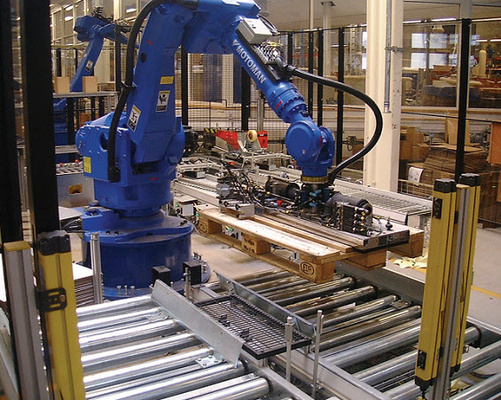
6-phase Permanent Magnet Synchronous Motors (PMSMs) are integral to modern industrial automation systems, powering various machinery that drives efficiency and productivity on the factory floor. For instance, in conveyor systems, these motors deliver smooth acceleration and deceleration, allowing for precise control of material handling. This capability minimizes the risk of product damage during transit, ensuring that goods are moved efficiently without interruption. In assembly lines, the consistent torque provided by 6-phase PMSMs ensures synchronized operation of different components, leading to faster production cycles and reduced downtime. The ability to maintain high torque at low speeds is particularly beneficial in applications requiring accurate positioning, such as pick-and-place operations. This results in a seamless workflow and a significant increase in overall operational efficiency.
Moreover, the robust design of 6-phase PMSMs allows them to operate in harsh environments, where durability and reliability are essential. This makes them suitable for industries like food and beverage, pharmaceuticals, and automotive, where stringent cleanliness and operational standards are mandatory. The motors can withstand dust, moisture, and temperature fluctuations, ensuring consistent performance even in challenging conditions. Additionally, their integration into automated systems contributes to a reduction in labor costs, as machines can perform tasks autonomously with high precision.
Robotics and CNC Machines:
In the realm of robotics and CNC machines, the precision and control capabilities of 6-phase PMSMs are indispensable. These motors facilitate fluid movements and accurate positioning, crucial for various tasks such as assembly, welding, and material handling. In robotic applications, the ability to provide high torque at low speeds allows robots to manipulate delicate components with care, thereby improving the overall quality of the assembly process. This precision is especially important in industries where intricate parts must be handled without error, such as electronics and aerospace.
For CNC machines, the responsiveness of 6-phase PMSMs enhances their ability to handle complex machining tasks, such as milling and drilling. The motors ensure consistent power delivery, which is vital for maintaining accuracy during operation. As a result, manufacturers can achieve tighter tolerances and higher quality finishes, elevating the standard of their products. The capability of these motors to operate under varying loads without sacrificing performance contributes to the overall productivity of CNC operations, reducing cycle times and increasing throughput. Furthermore, the implementation of 6-phase PMSMs in robotics and CNC machinery not only improves operational efficiency but also allows for greater flexibility in manufacturing processes, enabling quicker adaptation to changing production requirements.
Installation Method:
| Structure and installation type (IM code)) |
IM B3 | IM B8 | IM B5 | IM B6 | IM V5 | IM V1 | IM B7 | IM V6 | IM V3 |
| Installation diagram |  |
 |
 |
 |
 |
 |
 |
 |
 |
| Frame size | 63-450 | 63-160 | 63-280 | 63-160 | 63-160 | 63-450 | 63-160 | 63-160 | 63-160 |
| Structure and installation type (IM code)) |
IM V37 | IM V17 | IM B34 | IM V19 | IM V18 | IM B14 | IM V35 | IM V15 | IM B35 |
| Installation diagram |  |
 |
 |
 |
 |
 |
 |
 |
 |
| Frame size | 63-132 | 63-13 | 63-132 | 63-132 | 63-132 | 63-132 | 63-160 | 63-160 | 63-450 |
FAQ
1. What are the key advantages of using a six-phase motor compared to a traditional three-phase motor?
Six-phase motors offer several advantages, including reduced torque ripple, which results in smoother operation and enhanced performance. The additional phases allow for better load distribution, reducing stress on individual phases and improving thermal performance. This means the motor can operate more efficiently and has a longer lifespan, making it suitable for demanding applications where reliability is crucial.
2. In what types of applications is this motor typically used?
These motors are commonly used in industrial automation systems, such as conveyors, assembly lines, and robotic arms. They are also ideal for CNC machines and robotics, where precision and control are paramount. Their ability to deliver consistent torque makes them suitable for a variety of tasks, including material handling, welding, and machining operations.
3. How does the design of a six-phase motor contribute to energy efficiency?
The design of a six-phase motor enhances energy efficiency by improving the power factor and reducing harmonic distortion. This leads to lower energy consumption and reduced operational costs. Additionally, the ability to maintain high torque at lower speeds means that these motors can operate effectively without excessive energy use, making them environmentally friendly options for industrial applications.
4. What maintenance requirements should be expected for this type of motor?
Maintenance requirements for six-phase motors are relatively low, thanks to their robust construction and fewer moving parts. Routine tasks may include regular inspections for wear, lubrication of bearings, and ensuring that cooling mechanisms are functioning properly. Following the manufacturer's maintenance guidelines will help ensure optimal performance and longevity.
5. Can these motors handle variable speed applications?
Yes, six-phase motors are well-suited for variable speed applications. Their design allows for smooth control across a wide range of speeds, making them ideal for processes that require precise speed adjustments. This capability is particularly beneficial in applications like robotics and CNC machining, where accurate positioning and movement are essential.
6. How do environmental factors affect the performance of these motors?
Environmental factors, such as temperature, humidity, and exposure to dust or moisture, can impact motor performance. However, many six-phase motors are designed with protective features like weather-resistant casings and reinforced windings, enabling them to operate effectively in harsh conditions. It is important to consider the specific operating environment and choose a motor that is rated for those conditions.
7. What should be considered when integrating this motor into an existing system?
When integrating a six-phase motor into an existing system, several factors should be considered, including compatibility with current controls, the motor's voltage and power ratings, and its physical dimensions. Additionally, assess the system's requirements for torque and speed to ensure that the selected motor meets performance expectations. Collaboration with engineers or technical experts can facilitate a smooth integration process and optimize system performance.
Hot Tags: 6 phase pmsm motor, China 6 phase pmsm motor manufacturers, suppliers, factory, synchronous motor, synchronous machine, synchronous reluctance machine
You Might Also Like


Send Inquiry