
 русский
  عربي
عربي  Español
 Português
 日本語
日本語 한국어
한국어 Français
 Deutsch
 ไทย
ไทย Indonesia
 Việt Nam
 Türkçe
 O'zbek
 简体中文
简体中文 Italiano
 Čeština
 Eesti
Eesti Gaeilgenah Éireann
 Bai Miaowen
 íslenska
 Cymraeg
 Български
 اردو
اردو Polski
 hrvatski
 українська
 bosanski
 فارسی
فارسی Lietuvių
 Latviešu
 עברית
עברית România limbi
 Ελληνικά
 dansk
dansk magyar
 Norsk
Norsk suomi
suomi Nederlands
 Svenska
 slovenčina
 slovenščina
 हिंदी
हिंदी Melayu
 Malti
Malti Kreyòl Ayisyen
 Català
 বাংলা
বাংলা Srbija jezik (latinica)


General Electric Synchronous Motor
general electric synchronous motor
Precise Speed Control:
General Electric synchronous motors are engineered for unwavering speed accuracy, maintaining a constant RPM regardless of fluctuations in load conditions. This capability is crucial in applications where timing and synchronization are paramount, such as in printing presses, paper mills, and textile machines. In environments where processes must be tightly controlled, the ability to deliver precise speeds ensures consistent product quality and operational efficiency. This feature mitigates the risk of production delays and errors, allowing manufacturers to maintain high standards and meet deadlines effectively.
High Efficiency:
These synchronous motors are recognized for their remarkable energy efficiency, frequently surpassing 95% in performance metrics. The design principles employed ensure that energy losses are minimized, making them an economical choice for large-scale industrial applications. Lower energy consumption translates into significant cost savings over time, particularly in operations with high energy demands. Moreover, their high efficiency contributes to a reduced carbon footprint, aligning with modern sustainability goals and helping companies adhere to environmental regulations. Businesses can enjoy substantial operational savings while also making a positive impact on the environment.
Robust Construction:
Constructed from high-quality materials, GE synchronous motors are built to endure the rigors of harsh operational environments. Features such as robust casings and durable components provide effective protection against dust, moisture, and extreme temperatures. This resilience is vital for ensuring long-term reliability, especially in challenging conditions found in sectors like mining, manufacturing, and heavy industry. The rugged design not only minimizes maintenance needs but also extends the overall lifespan of the motor, providing a reliable power source for critical applications without frequent interruptions.
High Starting Torque:
These motors excel in delivering high starting torque, making them particularly suitable for applications that require immediate acceleration. This characteristic is essential for driving heavy machinery and equipment, including crushers, mills, and other industrial processes. In scenarios where heavy loads must be set into motion quickly, the ability to provide substantial torque from a standstill enhances operational productivity and responsiveness. This feature ensures that production lines can operate smoothly without delays, maximizing throughput and efficiency in industrial settings.
Improved Power Factor:
Operating at a leading power factor, GE synchronous motors contribute positively to the overall power quality in electrical systems. A better power factor reduces the demand for reactive power, which in turn lowers electricity costs and enhances the efficiency of the power supply system. By minimizing reactive power requirements, these motors help improve the overall electrical system's reliability and stability, which is critical for industrial facilities that rely on consistent power quality for optimal performance. This improvement translates into additional savings and operational benefits, further solidifying their value in modern industrial applications.


Technical Specifications
| Parameter | Specification |
| Power Rating | 50 kW - 10 MW |
| Rated Voltage | 380V - 13.8 kV |
| Frequency | 50 Hz / 60 Hz |
| Rated Speed | 1500 RPM (for 50 Hz) / 1800 RPM (for 60 Hz) |
| Efficiency | >95% |
| Power Factor | Leading (0.8 - 1.0) |
| Cooling System | Air or water-cooled |
| Insulation Class | Class F / Class H |
| Enclosure Protection | IP55, IP65 |
| Starting Torque | High starting torque |
| Operating Temperature Range | -40°C to +60°C |
| Duty Cycle | Continuous (S1) |
| Vibration Level | IEC 60034-14 Class A |
| Noise Level | <85 dB(A) |
| Mounting Type | Horizontal / Vertical |
| Weight | Varies by model and size |
| Standards Compliance | IEC, NEMA, ANSI |
Application areas of this product
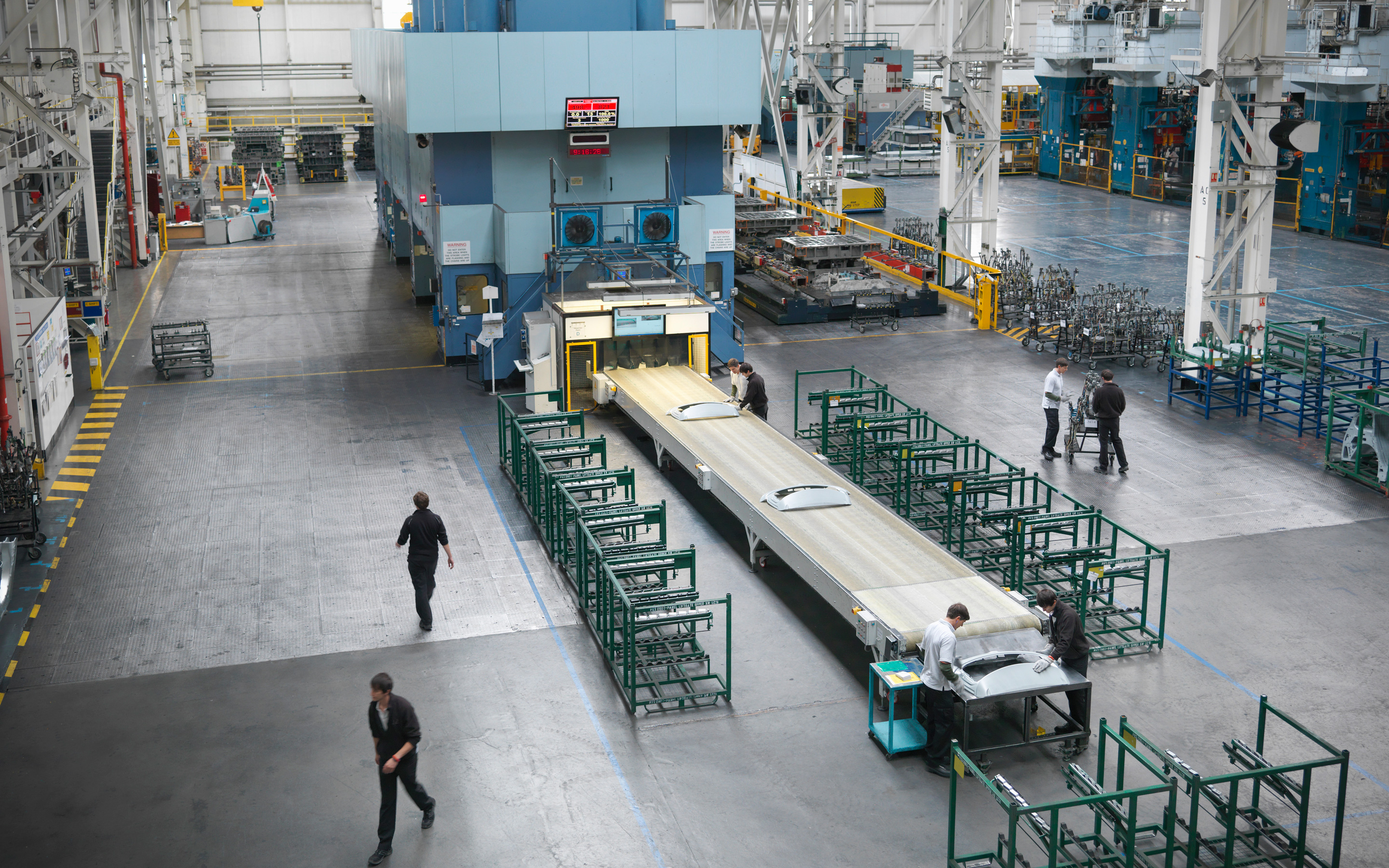
Industrial Manufacturing:
In the industrial manufacturing sector, precision and control are vital for maintaining efficiency and product quality. Synchronous motors excel in this environment due to their ability to maintain a constant speed, regardless of load fluctuations. This is particularly beneficial in production lines where machinery like conveyors, extruders, and cutting machines must operate at consistent speeds. For instance, in textile mills, maintaining an even speed ensures uniformity in fabric production, while in paper mills, it helps achieve consistent paper thickness and quality. By minimizing speed variations, synchronous motors reduce the risk of mechanical stress, which can lead to machine wear and errors, ultimately enhancing operational reliability. Moreover, their energy efficiency contributes to lower operational costs, making them a preferred choice in large-scale manufacturing processes that run continuously.
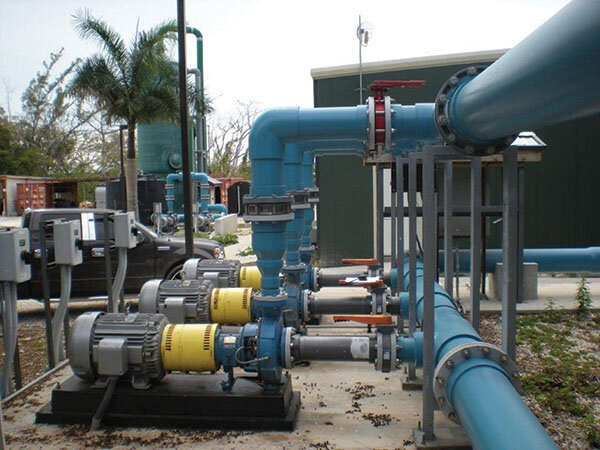
Pumping and Water Treatment:
Synchronous motors are also essential in pumping and water treatment applications, where uninterrupted, efficient operation is crucial. In systems that involve large centrifugal pumps, such as those found in municipal water supply and irrigation systems, maintaining a stable flow rate over extended periods is key. Synchronous motors' ability to deliver high efficiency ensures that energy consumption is minimized, which is particularly important in operations that run 24/7. This energy-saving feature helps reduce operational expenses while maintaining environmental sustainability. In water treatment facilities, the reliability of these motors ensures consistent processing of water, preventing downtime and interruptions that could affect water quality or availability. Their robust construction further ensures long-term durability in harsh environments, such as those involving exposure to moisture and varying temperatures.
Installation Method:
| Structure and installation type (IM code)) |
IM B3 | IM B8 | IM B5 | IM B6 | IM V5 | IM V1 | IM B7 | IM V6 | IM V3 |
| Installation diagram |  |
 |
 |
 |
 |
 |
 |
 |
 |
| Frame size | 63-450 | 63-160 | 63-280 | 63-160 | 63-160 | 63-450 | 63-160 | 63-160 | 63-160 |
| Structure and installation type (IM code)) |
IM V37 | IM V17 | IM B34 | IM V19 | IM V18 | IM B14 | IM V35 | IM V15 | IM B35 |
| Installation diagram |  |
 |
 |
 |
 |
 |
 |
 |
 |
| Frame size | 63-132 | 63-13 | 63-132 | 63-132 | 63-132 | 63-132 | 63-160 | 63-160 | 63-450 |
FAQ
1.How does this motor maintain constant speed under varying load conditions?
The motor is designed to run at a synchronous speed, which is dictated by the frequency of the power supply and the number of poles in the motor. Unlike other motor types that experience speed fluctuations with changes in load, this motor's speed remains constant as long as it is connected to the power supply. This constant speed control is particularly useful in applications that require precision and synchronization, ensuring consistent performance without the need for frequent adjustments.
2.What makes this motor more energy-efficient compared to others?
The motor operates with high efficiency, often above 90%, which is achieved by minimizing energy losses in its design. Its ability to run at a constant speed, combined with reduced heat generation and optimized magnetic circuits, helps in lowering energy consumption. This efficiency not only translates to lower electricity costs but also contributes to a reduced carbon footprint, making it an ideal choice for applications where energy conservation is a priority.
3.How does the motor handle harsh environments?
The motor is built with robust materials and features protective casings that shield its internal components from dust, moisture, and temperature fluctuations. These design elements ensure that the motor can operate reliably in challenging environments, such as outdoor industrial settings or facilities with high exposure to dust and humidity. The durable construction also helps extend the lifespan of the motor, reducing the need for frequent replacements or repairs.
4.What kind of maintenance does this motor require?
Thanks to its durable design and fewer moving parts, this motor typically requires minimal maintenance. Regular checks and basic upkeep, such as lubrication of bearings and inspection for wear and tear, are usually sufficient to keep the motor running smoothly. Additionally, the motor's ability to maintain a stable operating temperature reduces the likelihood of overheating, further minimizing the need for repairs or extensive servicing.
5.In what types of applications is this motor most commonly used?
The motor is widely used in industrial applications that require precise speed control and synchronization. Common examples include conveyors, pumps, and machines in manufacturing processes, where consistent operation is critical. It is also suitable for use in sectors like water treatment, where reliable, continuous operation is essential for maintaining water flow and processing efficiency. Its versatility and consistent performance make it suitable for a broad range of applications across different industries.
6.How does this motor contribute to reducing operational costs?
The high efficiency of the motor leads to lower energy consumption, which in turn reduces electricity costs, especially in continuous operation settings. Additionally, the motor's durability and low maintenance requirements mean that operators can avoid costly repairs and minimize downtime. Over time, these factors contribute to a reduction in the total cost of ownership, making the motor a cost-effective solution for long-term operations.
7.Can the motor be customized for specific operational needs?
Yes, the motor can be tailored to meet specific requirements, such as adjusting the number of poles or incorporating specialized cooling mechanisms. This flexibility allows it to be integrated into a wide variety of systems, ensuring optimal performance for unique applications. Whether it's for enhancing speed control, improving efficiency, or adapting to environmental conditions, the motor can be configured to suit the exact needs of the operation.
Hot Tags: general electric synchronous motor, China general electric synchronous motor manufacturers, suppliers, factory, ac motor, three phase electric motor, magnetic reluctance motor, single phase motor, three phase asynchronous motor, slip ring motors
You Might Also Like


Send Inquiry