
 русский
  عربي
عربي  Español
 Português
 日本語
日本語 한국어
한국어 Français
 Deutsch
 ไทย
ไทย Indonesia
 Việt Nam
 Türkçe
 O'zbek
 简体中文
简体中文 Italiano
 Čeština
 Eesti
Eesti Gaeilgenah Éireann
 Bai Miaowen
 íslenska
 Cymraeg
 Български
 اردو
اردو Polski
 hrvatski
 українська
 bosanski
 فارسی
فارسی Lietuvių
 Latviešu
 עברית
עברית România limbi
 Ελληνικά
 dansk
dansk magyar
 Norsk
Norsk suomi
suomi Nederlands
 Svenska
 slovenčina
 slovenščina
 हिंदी
हिंदी Melayu
 Malti
Malti Kreyòl Ayisyen
 Català
 বাংলা
বাংলা Srbija jezik (latinica)


Low Rpm Induction Motor
What is a Low Speed Induction Motor?
A low speed induction motor is specifically designed to operate at low rotational speeds while delivering high torque. These motors are widely used in industrial and commercial applications where precise speed control and steady operation are essential. Key features of low speed induction motors include high efficiency, low maintenance requirements, and robust construction.

Working Principle of Low Speed Induction Motor
The working principle of low speed induction motor is similar to that of conventional induction motor, but its design and application are specifically targeted at low speed and high torque operation requirements. The following is a detailed description of its working principle:
Basic Construction
Stator:
The stator is the stationary part of the motor and consists of multiple windings that are distributed on the stator core at specific angles. When three-phase AC power is passed through the stator windings, the stator windings generate a rotating magnetic field (RMF).
Rotor:
The rotor is the rotating part of the motor and usually consists of a squirrel cage or wound-type design. The rotor design of low speed induction motors is specially optimized to ensure high torque at low speeds.
Working Principle
Generation of Rotating Magnetic Field:
When three-phase AC current flows through the stator windings, due to the 120 degree phase difference of the current, this generates a rotating magnetic field (RMF) inside the stator. This rotating magnetic field rotates at synchronous speed in space.
Induction of EMF:
The rotating magnetic field passes through the conductors (rotor bars or windings) of the rotor, and according to Faraday's law of electromagnetic induction, an EMF is induced in the conductors. This induced electromotive force (EMF) generates a current in the rotor circuit.
Rotor rotation:
The current in the rotor interacts with the rotating magnetic field generated by the stator to form a torque, causing the rotor to start rotating. As the rotor tries to catch up with the rotating magnetic field, the actual speed of the rotor is always slightly lower than the synchronous speed due to the existence of slip.
Low speed high torque output:
The low-speed induction motor optimizes the magnetic flux path and the resistance of the rotor through specially designed stators and rotors, allowing the motor to output high torque at low speeds. This design ensures that the motor can still provide stable and strong power when running at low speeds.
Slip:
Slip refers to the difference between the synchronous speed and the actual speed of the rotor, which is necessary for the normal operation of the induction motor. Low-speed induction motors usually have a large slip to ensure that sufficient torque can be generated even at low speeds.
Low-speed induction motors induce electromotive force by utilizing the rotating magnetic field generated by the three-phase AC power supply, thereby driving the rotor to rotate. Its optimized design enables it to output high torque at low speeds, and is suitable for various applications that require low-speed and high-torque operation. Its high efficiency, stability and durability make it widely used in industrial and commercial fields.
Advantages of speed induction motors
Low-speed induction motors excel in low-speed, high-torque applications and offer the following significant benefits:
High torque output: Low-speed induction motors are designed to provide high torque at low rotational speeds, ensuring that the equipment can run smoothly and meet high load requirements. This characteristic makes it particularly suitable for applications requiring high torque, such as conveying systems and mixing equipment.
High efficiency: Through optimized electromagnetic design and high-quality materials, low-speed induction motors can achieve high efficiency and reduce energy loss when running at low speeds. This not only improves operational efficiency, but also reduces energy consumption and operating costs.
Reliable and durable: The motor's solid structure and high-strength materials ensure its stable operation and long life in harsh environments. Maintenance requirements are reduced, downtime is reduced, and the overall reliability of the equipment is improved.
Easy maintenance: The low-speed induction motor has a simple structural design and is easy to install and maintain. Due to its low maintenance requirements, operating costs are reduced, and it is especially suitable for applications with long-term use and high-frequency operation.
Characteristics of low speed induction motors
Stable low-speed operation: The low-speed induction motor can run smoothly at lower speeds and provide stable power output. This makes it excellent in industrial and commercial equipment where precise speed control is required.
Strong adaptability: The motor can adapt to different voltages and frequencies, has good versatility, and is suitable for various power conditions. Its design also takes into account the needs of a variety of working environments and can be widely used in a variety of industrial applications.
Reduced vibration and noise: Thanks to its optimized electromagnetic design and smooth operation, low-speed induction motors produce less vibration and noise during operation, providing a quieter operating environment.
High load capacity: Suitable for equipment requiring high loads, such as lifts and heavy machinery. The motor can maintain stable operation under high load conditions, ensuring efficient operation of the equipment.
Applications of Low Speed Induction Motors
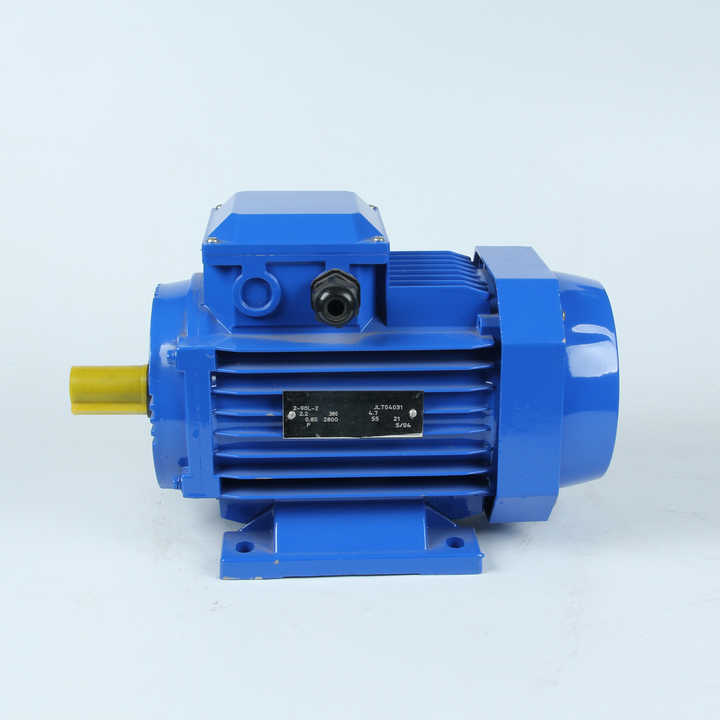
Low speed induction motors are designed for low speed, high torque operation and are widely used in many industrial and commercial fields to meet various needs. Here are some typical applications:
Conveyor systems:
Low speed induction motors are often used in conveyor belts and other material handling systems to provide stable low speed operation to ensure smooth material transportation and handling.
Mixer equipment:
In concrete mixers, food mixers and chemical mixing equipment, low speed induction motors can provide continuous low speed power to ensure uniform and effective mixing process.
Textile machinery:
In the textile industry, used in equipment such as spinning machines and looms, low speed induction motors can achieve precise speed control to meet the requirements of textile processing.
Material handling equipment:
Low speed induction motors such as elevators, stackers and reclaimers provide sufficient torque and stability to cope with various material handling tasks.
Machine tools:
In machine tools such as lathes, grinders and drilling machines, low speed induction motors can provide the required low speed and high torque to ensure precise processing and efficient operation.
Agricultural machinery:
Low-speed induction motors are used in agricultural equipment such as threshers and feed mixers to provide stable power at low speeds to meet the needs of agricultural processing.
Fans and blowers:
In large fans and blowers, low-speed induction motors can provide smooth low-speed airflow to ensure efficient ventilation and cooling of the equipment.
Pump systems:
In various pump systems, such as water pumps and oil pumps, low-speed induction motors can operate stably at low speeds to meet the requirements of liquid transportation and processing.
Commercial equipment:
Low-speed induction motors are also used in some commercial equipment, such as large air conditioning systems, coolers and power tools, to provide reliable low-speed power support.
Low-speed induction motors are widely used in various types of equipment that require low speed and high torque due to their high efficiency, stability and durability, making them an ideal choice for many industrial and commercial occasions.
The following is a typical parameter table of low speed induction motors, the specific parameters may vary depending on the manufacturer and model:

These specifications provide a comprehensive overview of the key features and options available for low-speed induction motors.
Frequently Asked Questions
What is the RPM of a low speed engine?
+
-
The low-speed engine is characterized by rated speeds in the range of 80–120 revolutions per minute. In all cases it is a two-stroke engine supercharged by exhaust-gas turbochargers.
What is the difference between high and low RPM motors?
Most low RPM engine are heavy and robust and is designed to operate at high or continuos duty. High RPM engines are small, light and limited duty.
What are the advantages of low RPM motors?
+
-
304 stainless steel meets the international requirements of food grade,316 stainless steel is not only food grade or medical grade. However,the use of this medical grade as a production cup will not bring additional benefits to everyone. Why is it called 304 or 316? This is mainly defined according to the material composition. 316 stainless steel is not similar to mineral materials,after use can release some substances to promote human absorption.
How does a low-speed induction motor achieve high torque at low speeds?
+
-
A low-speed induction motor is designed with specialized electromagnetic components that optimize performance at reduced speeds. Its rotor and stator are engineered to generate substantial torque even when rotating slowly. The motor's design includes modifications to the magnetic flux path and rotor resistance, which enhance its ability to produce high torque under low-speed conditions.
What are the typical power ratings for low-speed induction motors?
+
-
Low-speed induction motors typically have power ratings ranging from 0.5 horsepower (HP) to 500 HP. The specific power rating depends on the application requirements and the motor's design specifications. Higher power ratings are available for heavy-duty industrial applications, while lower power ratings are suitable for smaller machinery and equipment.
Hot Tags: low rpm induction motor, China low rpm induction motor manufacturers, suppliers, factory, induction motor, ac induction motor, ac induction machine
You Might Also Like


Send Inquiry