
 русский
  عربي
عربي  Español
 Português
 日本語
日本語 한국어
한국어 Français
 Deutsch
 ไทย
ไทย Indonesia
 Việt Nam
 Türkçe
 O'zbek
 简体中文
简体中文 Italiano
 Čeština
 Eesti
Eesti Gaeilgenah Éireann
 Bai Miaowen
 íslenska
 Cymraeg
 Български
 اردو
اردو Polski
 hrvatski
 українська
 bosanski
 فارسی
فارسی Lietuvių
 Latviešu
 עברית
עברית România limbi
 Ελληνικά
 dansk
dansk magyar
 Norsk
Norsk suomi
suomi Nederlands
 Svenska
 slovenčina
 slovenščina
 हिंदी
हिंदी Melayu
 Malti
Malti Kreyòl Ayisyen
 Català
 বাংলা
বাংলা Srbija jezik (latinica)


Industrial Asynchronous Motors
industrial asynchronous motors
Self-start capability: One of the most notable features of these asynchronous motors is their self-start capability, which allows them to start smoothly without the need for an external starting device. This design greatly simplifies the motor setup process and reduces initial installation costs. This feature is particularly useful in a variety of industrial applications, especially in environments that require frequent starts and stops. The self-start feature not only reduces equipment and maintenance costs, but also improves the overall reliability of the system, making the motors ideal for handling complex industrial tasks. This automatic start convenience is particularly important for large manufacturing equipment and automation systems, which often require an efficient and seamless start-up process to ensure smooth operation of the production line.
Durability and low maintenance: Designed with durability in mind, these asynchronous motors have a rugged structure that can withstand a variety of harsh working conditions. These motors are often equipped with reinforced materials and improved designs to minimize wear and mechanical failure. High durability reduces maintenance requirements, reduces maintenance costs, and extends the life of the equipment. This durability makes these motors particularly good in manufacturing plants, processing plants, and other high-load environments. Under these harsh working conditions, the motors are able to maintain stable operation, reduce downtime caused by equipment failure, and improve production efficiency and overall operational reliability.
Variable speed control: Some advanced asynchronous motors also offer variable speed control, allowing users to precisely adjust speed according to actual needs. This flexibility supports a wide range of processes from low-speed operation to high-speed applications, improving the overall efficiency of the system. The variable speed control function enables the motor to optimize performance under various process conditions to adapt to different working requirements and operating modes. Whether it is a precision machine that requires slow start or a power system that runs at high speed, this flexible speed adjustment ability can improve work efficiency and production quality.
Energy efficiency: Many asynchronous motors are designed with energy efficiency in mind, reducing operating costs by optimizing power consumption. These motors can significantly reduce energy consumption by improving the efficiency of converting electrical energy into mechanical energy, thereby reducing energy bills. High energy efficiency not only helps save operating costs, but also helps achieve a more sustainable production method. In the modern industrial environment, energy efficiency has become a key factor in improving corporate competitiveness, so the use of high-efficiency motors can help companies make significant progress in energy conservation and emission reduction and reducing environmental impact.
Reliability and stability: Asynchronous motors are widely favored for their excellent reliability. With simple design and mature technology, these motors provide consistent performance and stability, ensuring that equipment can operate stably for a long time. Its high reliability is essential to keep industrial processes smooth and uninterrupted. In a production environment, this reliability can reduce equipment failures and downtime, improve production efficiency and product quality. The stability of this asynchronous motor makes it an indispensable core component in various industrial applications, ensuring the continuous and efficient operation of production lines and equipment.


Technical Specifications
| Parameter | Description |
|---|---|
| Motor Type | Industrial Asynchronous Motor (Induction Motor) |
| Phase | Single-Phase or Three-Phase |
| Power Range | Typically from 0.37 kW to 500 kW, depending on application requirements |
| Voltage Rating | Single-Phase: 220V/240V; Three-Phase: 380V/400V/415V |
| Frequency | 50 Hz or 60 Hz |
| Number of Poles | 2, 4, 6, or 8 poles |
| Insulation Class | Class B, F, or H |
| Protection Class | IP55 or IP65 |
| Efficiency Class | IE2, IE3, or IE4 (depending on the motor) |
| Starting Method | Direct-On-Line (DOL), Star-Delta, or Autotransformer (varies by motor size and application) |
| Starting Torque | High starting torque capability, typically up to 2-3 times rated torque |
| Rated Speed | 750 RPM, 1000 RPM, 1500 RPM, 3000 RPM (depending on number of poles and frequency) |
| Temperature Rise | Typically ≤ 80°C (Class B), ≤ 105°C (Class F), ≤ 125°C (Class H) |
| Ambient Temperature | Standard operating range: -20°C to +40°C |
| Cooling Type | IC411 (Standard Cooling) |
| Bearing Type | Shielded or Sealed Ball Bearings |
| Mounting Type | Foot Mount, Flange Mount, or Combination |
| Efficiency | Typically ≥ 85% for standard motors; higher efficiencies available in premium models |
| Vibration Level | ≤ 0.14 mm/s (according to ISO 10816-3) |
| Noise Level | Typically ≤ 85 dB(A) |
| Frame Size | Ranges from 56 to 355 (IEC Frame Sizes) |
| Weight | Varies with power rating and frame size, typically from 10 kg to 1000 kg |
| Compliance | Compliant with international standards such as IEC, NEMA, and CE for quality and safety |
| Applications | Manufacturing, Processing, HVAC, Pumps, Fans, Compressors, and various industrial machinery |
Application areas of industrial asynchronous motors
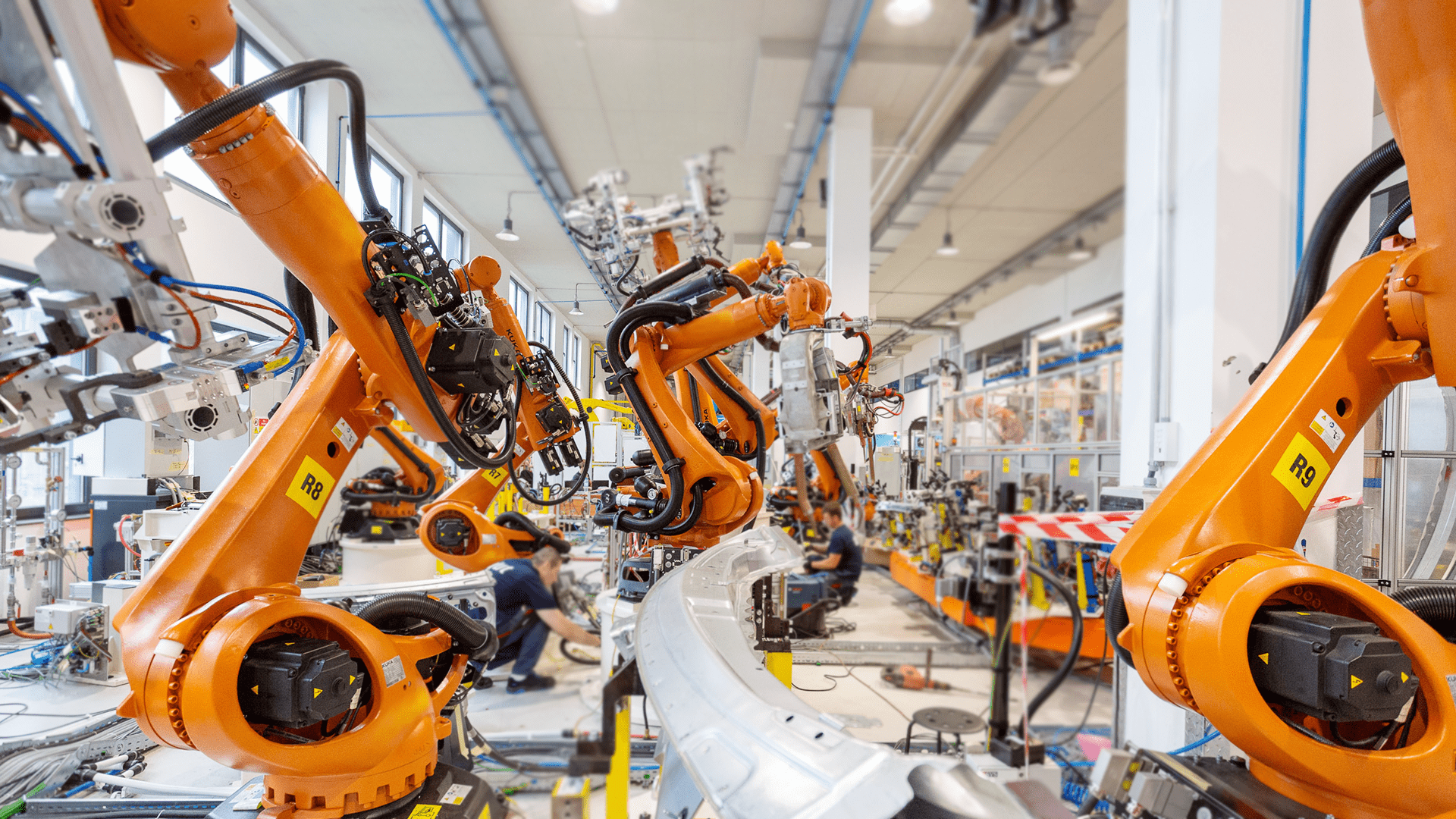
Manufacturing and Production Lines
Automation Systems: These motors play a pivotal role in automation systems, where they drive various equipment such as conveyors, assembly lines, and robotic systems. These motors are favored in manufacturing environments due to their exceptional reliability and efficiency, which are crucial for maintaining continuous operation. Conveyors, for instance, rely on these motors to transport materials and products through production lines with minimal downtime. The motors' consistent performance ensures smooth and uninterrupted material handling, which is essential for optimizing production flow and reducing operational costs. In addition to conveyors, asynchronous motors are integral to robotic systems used for tasks such as material handling, assembly, and packaging. The precise control and high torque capabilities of these motors enable robotic systems to perform complex and repetitive tasks with accuracy and efficiency, enhancing overall productivity and quality in manufacturing processes.
Pumps
Water and Wastewater Treatment: In the water and wastewater treatment sectors, these motors are crucial for powering pumps that handle a variety of fluids. These motors are used in systems responsible for water supply, sewage treatment, and industrial fluid management. Their robustness and durability are essential for dealing with the varying loads and harsh conditions often encountered in these applications. For instance, in water treatment plants, motors drive pumps that circulate and filter large volumes of water, ensuring a steady and reliable supply of clean water. Similarly, in sewage treatment facilities, these motors power pumps that handle wastewater and sludge, requiring motors that can withstand the corrosive nature of the fluids and provide consistent performance over extended periods. The ability of asynchronous motors to handle fluctuating loads and operate efficiently in demanding environments makes them a valuable component in maintaining effective and reliable water and wastewater treatment processes.

Installation Method:
| Structure and installation type (IM code)) |
IM B3 | IM B8 | IM B5 | IM B6 | IM V5 | IM V1 | IM B7 | IM V6 | IM V3 |
| Installation diagram |  |
 |
 |
 |
 |
 |
 |
 |
 |
| Frame size | 63-450 | 63-160 | 63-280 | 63-160 | 63-160 | 63-450 | 63-160 | 63-160 | 63-160 |
| Structure and installation type (IM code)) |
IM V37 | IM V17 | IM B34 | IM V19 | IM V18 | IM B14 | IM V35 | IM V15 | IM B35 |
| Installation diagram |  |
 |
 |
 |
 |
 |
 |
 |
 |
| Frame size | 63-132 | 63-13 | 63-132 | 63-132 | 63-132 | 63-132 | 63-160 | 63-160 | 63-450 |
FAQ
1. What are the primary considerations when selecting this type of motor for a specific application?
When selecting this type of motor for a particular application, the primary considerations include power requirements, voltage and frequency ratings, environmental conditions, and load characteristics. It's crucial to match the motor's power output with the application's demands to ensure efficient operation. Voltage and frequency ratings must align with the local electrical supply and system specifications. Additionally, environmental factors such as temperature, humidity, and exposure to corrosive elements should be considered, as they impact the motor's durability and performance. Load characteristics, including starting torque and operational load variations, also play a significant role in selecting the appropriate motor.
2. How does the efficiency of these motors impact operational costs?
The efficiency of these motors directly affects operational costs by influencing energy consumption. Higher efficiency motors convert more electrical energy into mechanical energy, resulting in lower energy losses and reduced power consumption. This leads to decreased utility bills and contributes to long-term cost savings. Additionally, improved efficiency can reduce the need for cooling and ventilation, further lowering operational expenses. In industries where motors run continuously, even small improvements in efficiency can result in significant cost savings over time.
3. What types of maintenance are required for these motors, and how can maintenance costs be minimized?
Maintenance requirements for these motors typically include regular inspections, lubrication of bearings, checking alignment, and ensuring proper cooling. Monitoring and maintaining these aspects can help prevent common issues such as overheating, excessive wear, and mechanical failures. To minimize maintenance costs, it is advisable to implement a preventive maintenance schedule that includes routine checks and servicing. Utilizing high-quality lubricants, ensuring proper installation, and addressing minor issues before they escalate can also reduce maintenance frequency and costs.
4. What are the key differences between single-phase and three-phase motors, and how do these differences affect their applications?
Single-phase motors are generally used for smaller applications and are suitable for residential or light commercial use where the power requirements are lower. They are simpler in design and often less expensive but may not handle high power loads efficiently. Three-phase motors, on the other hand, are designed for larger industrial applications and offer higher efficiency, greater power output, and smoother operation. They are ideal for heavy-duty applications where high torque and continuous operation are required. The choice between single-phase and three-phase motors depends on the specific power needs and operational demands of the application.
5. How do environmental conditions affect the performance and lifespan of these motors?
Environmental conditions such as temperature extremes, humidity, dust, and corrosive substances can significantly impact the performance and lifespan of these motors. High temperatures can lead to overheating, which may damage insulation and reduce motor efficiency. Excessive humidity can cause condensation, leading to electrical short circuits and corrosion. Dust and debris can impair cooling and cause mechanical wear. To mitigate these effects, it's important to select motors with appropriate protection ratings and enclosures, such as IP55 or IP65, and to implement proper maintenance and cleaning procedures to protect the motor from adverse environmental conditions.
6. Can these motors be used in applications requiring variable speed control?
Yes, these motors can be used in applications requiring variable speed control, provided they are equipped with the necessary controls or drive systems. Advanced versions of these motors can be paired with variable frequency drives (VFDs) to allow precise speed adjustments and control over the motor's operation. Variable speed control enables optimal performance and energy efficiency by adjusting the motor speed to match the application's specific requirements, such as in conveyor systems or pumps with varying flow rates.
7. What safety features are typically included with these motors, and how do they contribute to safe operation?
Safety features for these motors often include thermal overload protection, which prevents overheating by shutting down the motor if it exceeds safe temperature limits. Additionally, many motors come with built-in protection against electrical faults, such as short circuits or overcurrents, to prevent damage and potential hazards. Enclosures with appropriate protection ratings (e.g., IP55) safeguard against dust and water ingress, further enhancing safety. Implementing these safety features helps ensure reliable and safe operation, minimizing the risk of equipment failure and protecting personnel and infrastructure.
Hot Tags: industrial asynchronous motors, China industrial asynchronous motors manufacturers, suppliers, factory, asynchronous electric motor, asynchronous motor, ac asynchronous motor
You Might Also Like


Send Inquiry